26 October 2026
Supporting Indigenous-led conservation: Lessons from the Peruvian Amazon
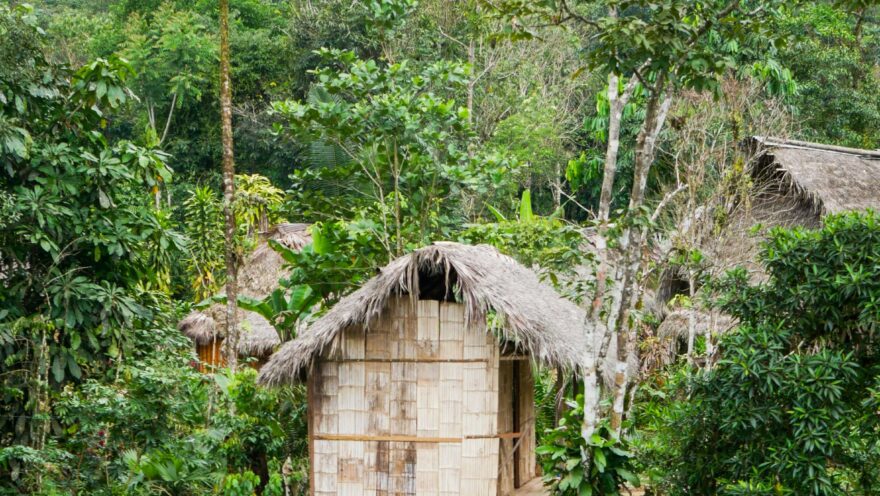
New research from the University of Bath has highlighted the promising results of an initiative delivered by SWIDN member Cool Earth, exploring the relationship between financial security, Indigenous autonomy and rainforest conservation.
The two-year pilot provided unconditional cash transfers to 211 people across three Asháninka communities in the Peruvian Amazon. Participants were free to determine how the funding was used, without conservation-related conditions attached.
Researchers found that almost 90% of participants adopted environmentally beneficial practices, including reforestation and the restoration of water sources. The study also reported significant reductions in food insecurity and migration for work.
The findings offer an interesting perspective on how conservation funding can support existing Indigenous stewardship, moving away from externally prescribed activities towards approaches that recognise community priorities and decision-making.
For SWIDN, the research reflects wider conversations across the international development sector about locally led approaches, equitable partnerships and the importance of shifting decision-making power closer to communities.
We’re pleased to highlight the work of our member Cool Earth alongside research from the University of Bath, bringing together practical experience and academic evidence to inform conversations about the future of conservation.
Read the full article by Jonathan Watts in The Guardian.
This article was originally reported by The Guardian on 20 October 2026. This introduction has been written by SWIDN to highlight the work of our member Cool Earth and the University of Bath’s research.
Photo Credit: Sophia DiDonato
More News
Guest Blog: The Power, and Politesse, of Partnership
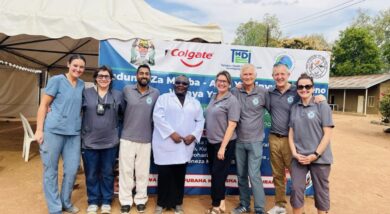
We’re pleased to share this guest article written by SWIDN member Bridge2Aid. Working alongside Tanzanian Health, Environment and Development Initiatives (THEDI), a local NGO, Bridge2Aid supports programmes led by Tanzanian partners to strengthen oral healthcare through training and skills sharing. With local expertise and leadership at the heart of the work, the partnership demonstrates how international collaboration…
Spotlight on the African Mountain Research Foundation: Monitoring the Mountains that Shape a Continent
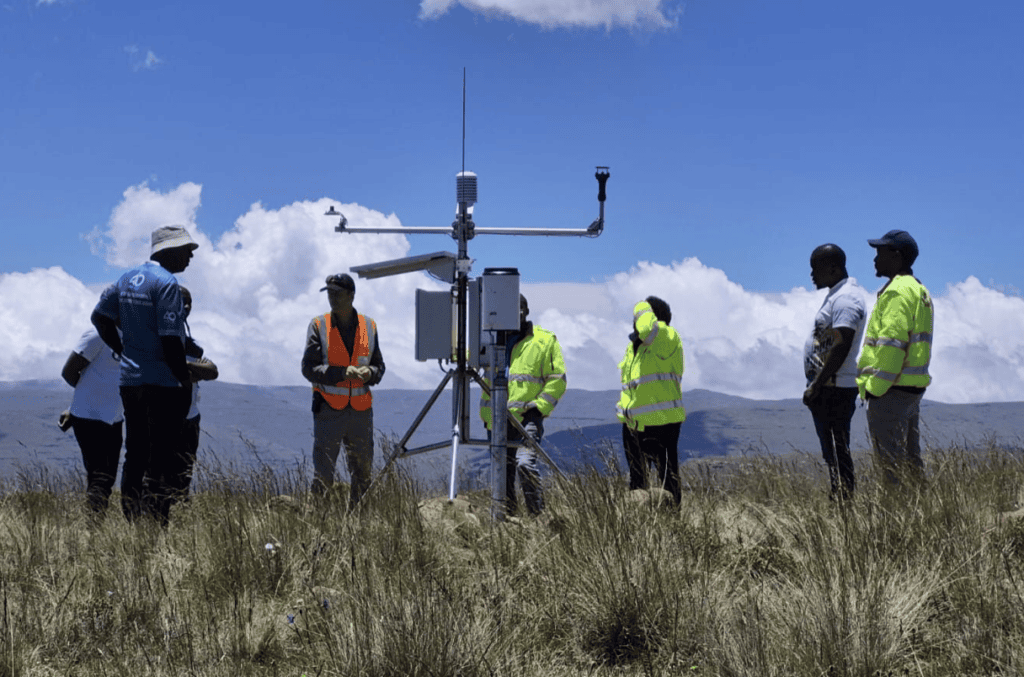
High up in the mountains of southern Africa — in Zimbabwe, Malawi, South Africa, and Lesotho — a quiet network of weather stations is generating data that could help predict the next drought, the next flood, the next climate shock for millions of people living in the valleys below. That network belongs to SWIDN Member…
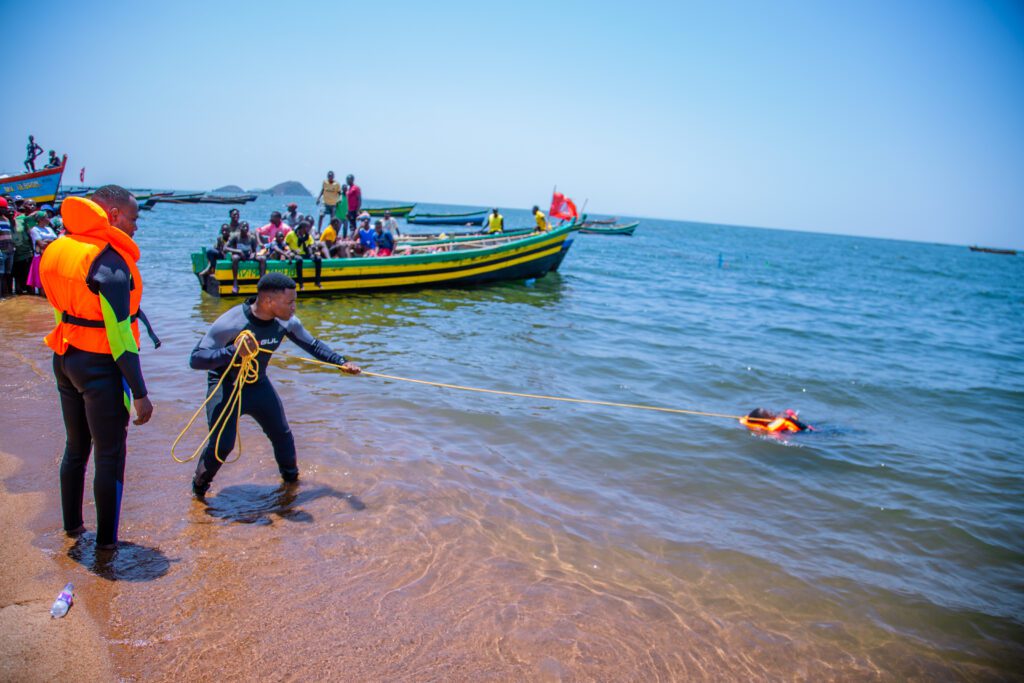
Beyond the Lifeboat: How the RNLI is Tackling Drowning in Tanzania, and the Programme Management That Makes It Work
Rachel Roland has spent more than 35 years working in Global Justice — and if there’s one thread that runs through all of it, it’s a deep commitment to understanding communities on their own terms. Now a Senior International Programme Manager at the RNLI, Rachel is leading the organisation’s drowning prevention work in Tanzania, bringing…