7 August 2026
Spotlight on the African Mountain Research Foundation: Monitoring the Mountains that Shape a Continent

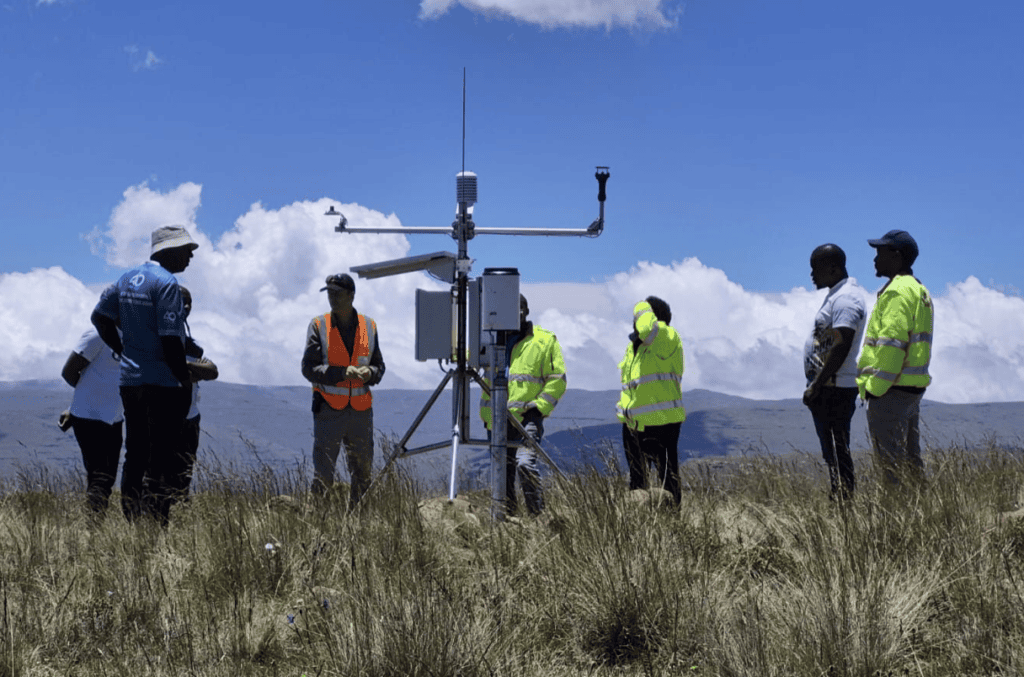
High up in the mountains of southern Africa — in Zimbabwe, Malawi, South Africa, and Lesotho — a quiet network of weather stations is generating data that could help predict the next drought, the next flood, the next climate shock for millions of people living in the valleys below. That network belongs to SWIDN Member the African Mountain Research Foundation, and it’s run by a remarkably small team with an outsized mission.
Who is the African Mountain Research Foundation?
African Mountain Research Foundation was founded in 2020 and Clara Hickman has been its director ever since. Its core work is simple to describe but complex to deliver: installing and maintaining high elevation weather stations across the mountains of southern Africa, and making all the data they generate freely available to researchers, universities, and climate modellers around the world.
Nearly six years in, the Foundation operates 11 weather stations across four countries, including what is now the highest weather station in southern Africa — situated in Lesotho at 3,162 metres, complete with a heated snow gauge to capture snowfall data that has never before been systematically recorded in the region.
All data is published openly on the Foundation’s website, and is used by institutions including the University of California Santa Barbara, Imperial College London for IPCC climate change reports, and universities across southern Africa and the UK.
Why high elevation data matters
Mountain weather data has historically been one of the biggest gaps in African climate science. The consequences of that gap are not merely academic — high elevation areas are often the first places where early signals of larger weather events appear.
“High elevation data often serves as an early indicator for broader trends — things like flash floods or droughts in the lower regions of the mountains. That’s the gap we’re trying to close.”
The Foundation is now keenly anticipating an El Niño event predicted for southern Africa later this year, which will be the first major opportunity to test whether their growing data set can help forecast what’s coming for communities downstream.
They recently partnered with Digital Earth Africa, a geospatial platform, to compare satellite imagery with the Foundation’s on-the-ground observational data. The results were striking: significant differences emerged, underlining why close observational data is essential for ensuring the accuracy of continent-wide climate models.
A squiggly path to climate science
Clara’s route to running a climate research charity in southern Africa was not a conventional one. With a background in television production, her career pivot came through a personal connection to Zimbabwe — her father’s former home — and a fateful meeting with academic partner Professor Ralph Clark at a global mountain conference.
Today Clara’s role spans project management, fundraising, and complex equipment logistics — including navigating import and export duties across multiple African countries — alongside building partnerships with local organisations and technicians. The Foundation employs no other staff in the UK, directing all spending back into the region.
From slow start to growing momentum
Like many young organisations, the Foundation faced a classic catch-22 in its early years: donors wanted to see results before funding, but results required funding first. Clara tackled this by returning to donors once the first station was installed and operational, demonstrating tangible impact.
That persistence is paying off. Four to five years of continuous data now represent a genuinely valuable scientific resource — one that generated a lot of interest from the Met Office’s internationally and across the region, NGO’s, government agencies, universities, climate scientists and one of the largest meteorological data archives – the European Centre for Medium-Range Weather Forecasts.
The Foundation has also established two research centres in Malawi and South Africa, giving students and academics access to mountain areas that would otherwise be very difficult to reach.
The challenges of doing remote work
Clara is candid about the difficulties the Foundation faces. Funding remains the central challenge, made harder by a shifting political climate in which some donors have moved climate issues further down their priorities.
“The logistics of moving equipment around Southern Africa, dealing with duty charges, managing remotely — it’s complex. But the work has a community of people who really believe in it, and that matters enormously.”
Finding community through SWIDN
Clara joined the SWIDN network three months ago and has quickly found value in being part of a community of organisations working across international development. For someone running a lean, remote operation thousands of miles from her stations, that sense of connection matters.
“Working remotely and running a small organisation, it can feel quite isolated. Being part of a network like SWIDN makes a real difference.”
It’s a feeling that chimes with the Foundation’s broader philosophy. Whether it’s partnering with local technicians in Lesotho, collaborating with universities across two continents, or sharing hard-won data freely with the global research community, the African Mountain Research Foundation has always understood that the best science — and the best impact — happens in community with others.
A foundation built for the long term
The African Mountain Research Foundation is still young, but the data it is quietly accumulating in some of the most remote and under-monitored landscapes on earth is becoming increasingly hard to ignore. From Digital Earth Africa to regional universities, the world is starting to pay attention. With more stations, more years of data, and a growing network of partners and supporters behind them, Clara and the team are contributing to a growing body of climate knowledge that enables communities across southern Africa to better respond to the climate changes shaping their futures.
Want to connect with the African Mountain Research Foundation? Visit their website to explore their open-access data or get in touch about collaboration opportunities: https://africanmountainresearch.com/
More News
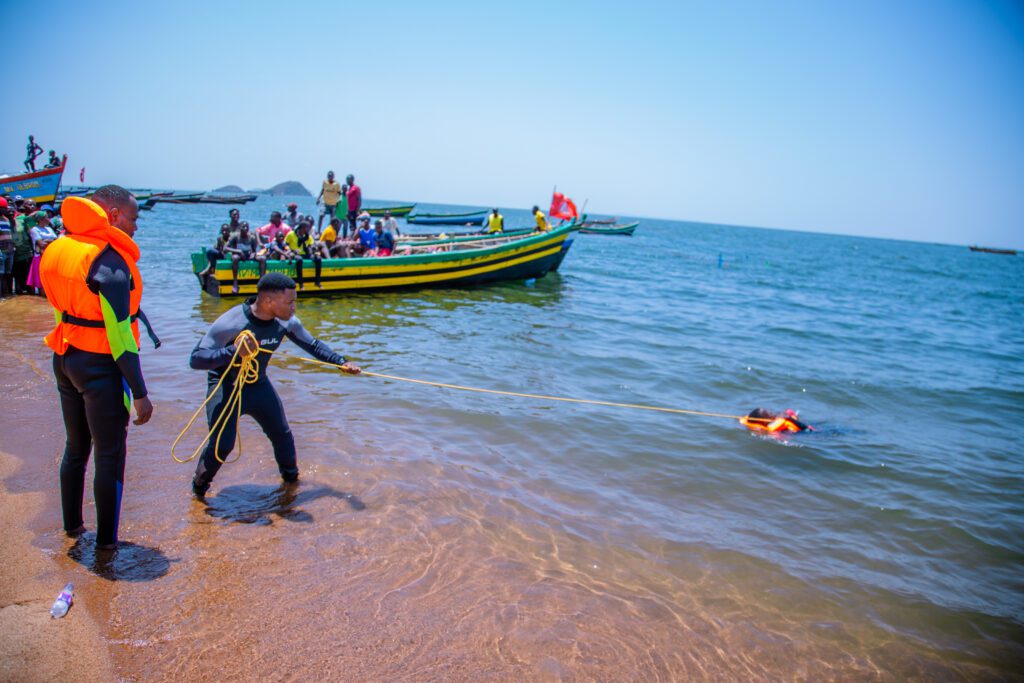
Beyond the Lifeboat: How the RNLI is Tackling Drowning in Tanzania, and the Programme Management That Makes It Work
Rachel Roland has spent more than 35 years working in Global Justice — and if there’s one thread that runs through all of it, it’s a deep commitment to understanding communities on their own terms. Now a Senior International Programme Manager at the RNLI, Rachel is leading the organisation’s drowning prevention work in Tanzania, bringing…
Changing the Story: How The Advocacy Team Is Reconnecting the Public with Global Justice
Lorriann Robinson is the founder and lead of The Advocacy Team, a consultancy helping organisations navigate political influence, shape policy, and reimagine how the case for global justice is made. We spoke with her about her work, the projects keeping her team busy, and why she believes the sector’s most difficult moment might also be…
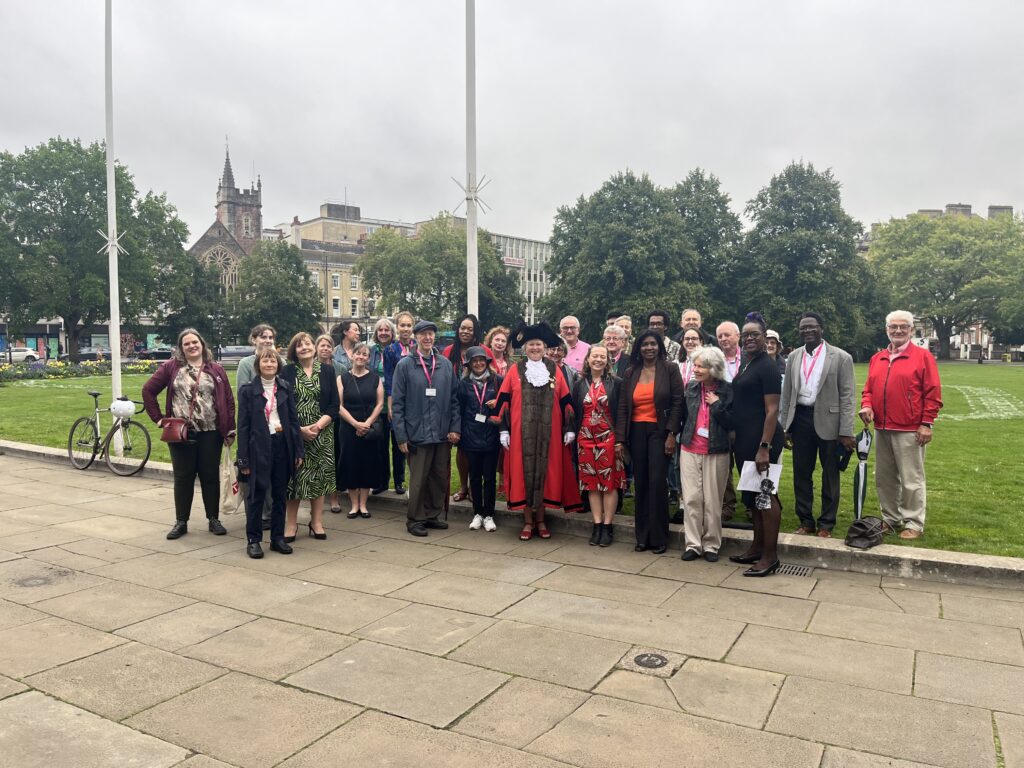
Building Solidarity from Bristol to Mozambique: A conversation with Bristol Link with Beira
Bristol Link with Beira has deep roots in social justice. Born from Bristol’s anti-apartheid movement, the organisation began as an act of solidarity – and that spirit continues to shape its work today. We spoke with Caroline Pitt, Chair and Trustee, about the charity’s projects in Beira, Mozambique, the challenges of running an all-volunteer organisation,…