11 May 2023
Social Justice in Uganda – Hope for Life Katanga
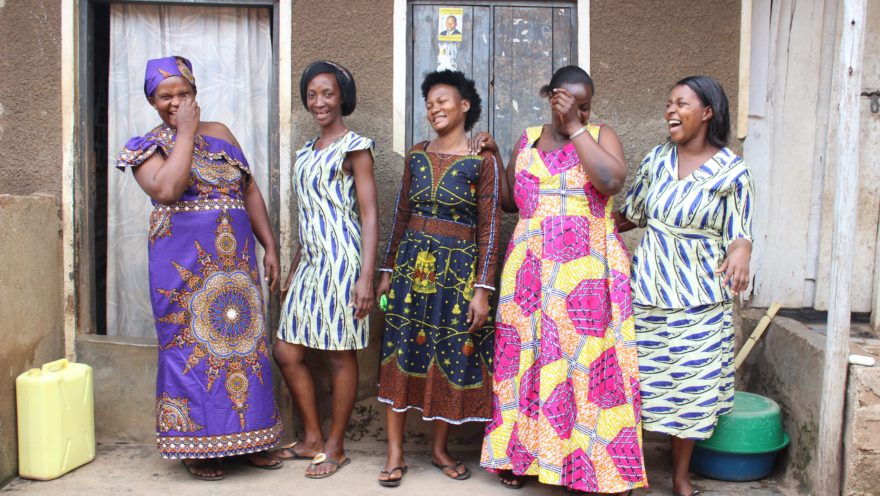
At the heart of social justice is the desire to live in a world where people are not harmed, are treated with equality and respect, and are free to make informed choices for the good of themselves, their families, and their communities.
Hope for Life Katanga is a community-based organisation in Kampala, and a UK registered charity, that enables families to become self-reliant. We use programs that provide opportunities in education, vocational training and livelihood empowerment to contribute to social justice in our city.
We work with 46 families under the educational sponsorship program, from Primary to Senior 4, then empower them through skills training or to pursue a professional course of their choice. We work with the wider family to improve their standard of living through the livelihood program, providing knowledge and guidance to parents on finance and business management. We encourage the beneficiary families to actively participate in finding sustainable solutions to challenges facing them.
We also provide vocational training for 32 young women and men (age 15-25) that have dropped out of school due to pregnancy or low income. 30 women have already completed their training and are now using their new skills to earn a living.
Joviah* is one of the young mothers we work with, who dropped out of school in Primary 6, after becoming pregnant at 13 years. She eloped with her boyfriend and they started living together but their relationship soon become physically and emotionally abusive. Without sufficient education, Joviah became a teenage housewife, dependent on her boyfriend, who was earning very little.
Joviah decided to leave the relationship and move back in with her foster mother, who registered her with Hope for Life to receive vocational training. Joviah trained in hairdressing and cosmetology for two years before becoming a fully qualified beautician. She now works in a local beauty salon, earning a decent income that supports herself and her son. She is thankful to now be financially independent.
“Even when I became pregnant, Hope for Life cared for me. They helped me acquire a vocational skill […] in hairdressing. Hope for Life has been there for me in my education, discipline and have taught me godly values, and have taught me the importance of helping others.” ~ Joviah
We are proud of the success of those who have completed training in a variety of courses. This training has created new teachers, hairdressers, nurses, chefs, secretary’s, nursery practitioners, and mechanics, who are now generating an income for themselves and their families.
We are looking forward to another year of learning and developing as a charity, as we enter a new strategic plan cycle (2023-28), following extensive consultation with all those we work alongside. We will be sure to make the most of the training opportunities, resources, and connections within SWIDN as we continue to work towards social justice in Uganda. A world where people are not harmed, are treated with equality and respect, and are free to make informed choices for the good of themselves, their families, and their communities.
Find out more about our work at www.hopeforlifekatanga.com and connect with us by emailing info@hopeforlifekatanga.com
Written by Dorcus Nkurunziza (Programmes Manager) and Mark Walters (Trustee) from Hope for Life Katanga
*name changed
Originally published on 26th January 2023
More News
Guest Blog: The Power, and Politesse, of Partnership
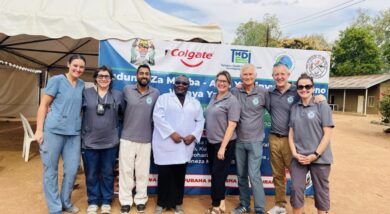
We’re pleased to share this guest article written by SWIDN member Bridge2Aid. Working alongside Tanzanian Health, Environment and Development Initiatives (THEDI), a local NGO, Bridge2Aid supports programmes led by Tanzanian partners to strengthen oral healthcare through training and skills sharing. With local expertise and leadership at the heart of the work, the partnership demonstrates how international collaboration…
Spotlight on the African Mountain Research Foundation: Monitoring the Mountains that Shape a Continent
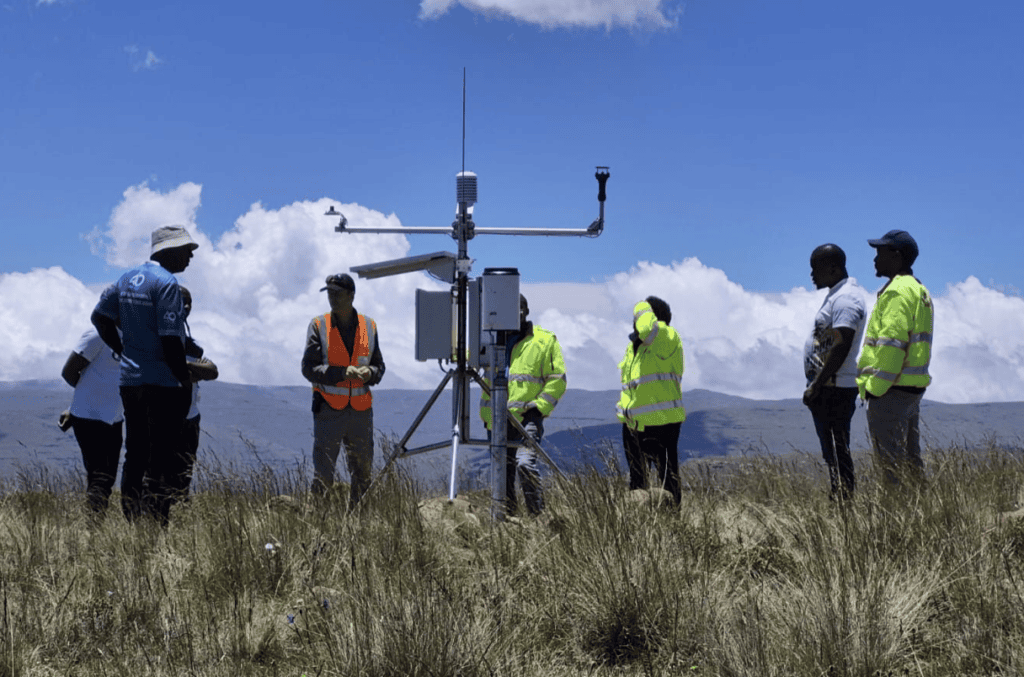
High up in the mountains of southern Africa — in Zimbabwe, Malawi, South Africa, and Lesotho — a quiet network of weather stations is generating data that could help predict the next drought, the next flood, the next climate shock for millions of people living in the valleys below. That network belongs to SWIDN Member…
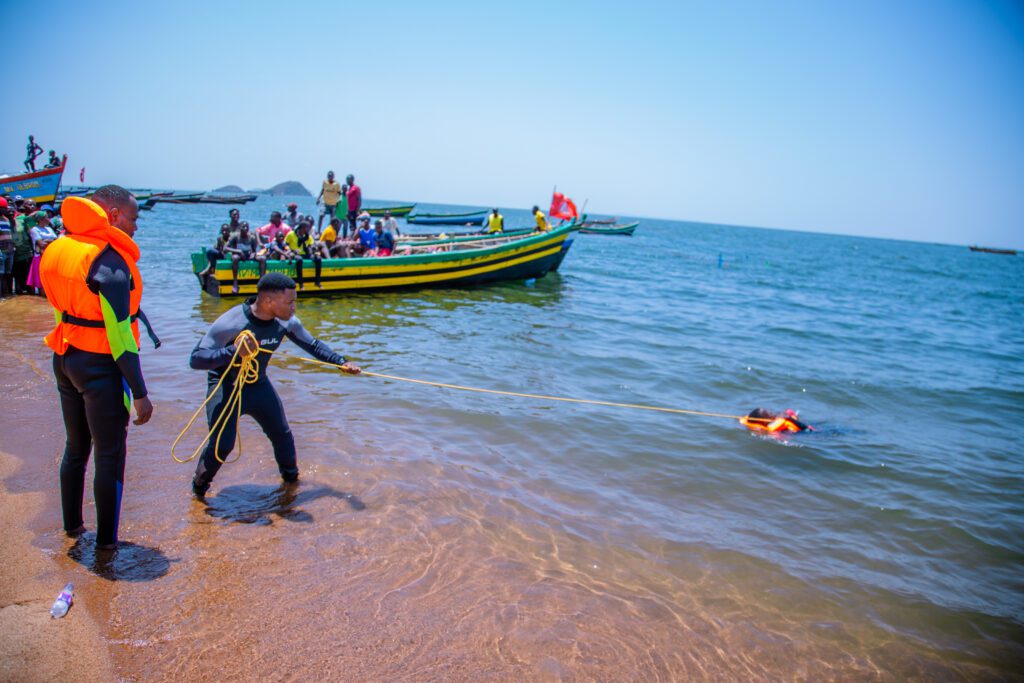
Beyond the Lifeboat: How the RNLI is Tackling Drowning in Tanzania, and the Programme Management That Makes It Work
Rachel Roland has spent more than 35 years working in Global Justice — and if there’s one thread that runs through all of it, it’s a deep commitment to understanding communities on their own terms. Now a Senior International Programme Manager at the RNLI, Rachel is leading the organisation’s drowning prevention work in Tanzania, bringing…