18 July 2025
Focus on Family Care
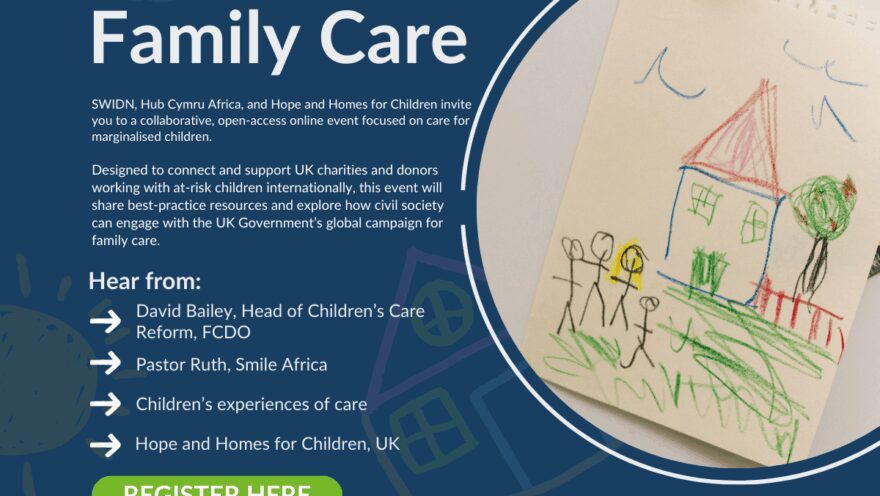
In July we had the opportunity to partner with Hub Cymru Africa and Hope and Homes for Children to deliver an open-access, online event focused on care for marginalised children. Designed to connect and support UK charities and donors working with at-risk children internationally, this event was an opportunity to share best-practice resources and explore how civil society can engage with the UK Government’s global campaign for family care. It came about as a result of the research we did in 2024 to map international development charities in the South West, which showed us that a shocking 12% still build, fund or otherwise support orphanages across the globe. We know from our sister organisation Hub Cymru Africa that it’s a similar picture in Wales.
We know from our friends at Hope and Homes for Children that institutional care is not in the best interests of children. In fact, we learnt in this session that institutional care is the least cost-effective method of caring for children, that there are 5.4 million children living in orphanages today and that over 80% of these are not orphans, but have living relatives.
In January 2025, Foreign Secretary David Lammy MP, alongside Irish actor Barry Keoghan, launched a multi-year campaign advocating for a shift away from institutional care (e.g. orphanages) towards family alternatives that prioritise love, stability, and protection. This government-backed initiative provides UK-based charities and donors with a framework for future programming and points to best practice for interventions that prioritise a child’s right to grow up in a safe, loving family environment.
This free, online event heard from children’s experiences of care and their call for families over institutions; it introduced care reform, unpacked what the UK Government’s campaign means for charities, donors and international development practitioners, and heard from Smile Africa, an organisation in Uganda who has made the transition from an orphanage model to family-based care as the best way of providing children with the care and protection they deserve.
Whether you’re just starting to think about transitioning away from the use of orphanages or are already working in the child protection space, we’d love to hear from you if you’re interested in joining the movement to ensure every child grows up in the care of a family. You can email info@swidn.org.uk for more information and watch the recording below.
We’re planning a follow-up event to this workshop with another online, open access working group on Wednesday 5 November 1-2.30pm GMT. You can register for this event here.
More News
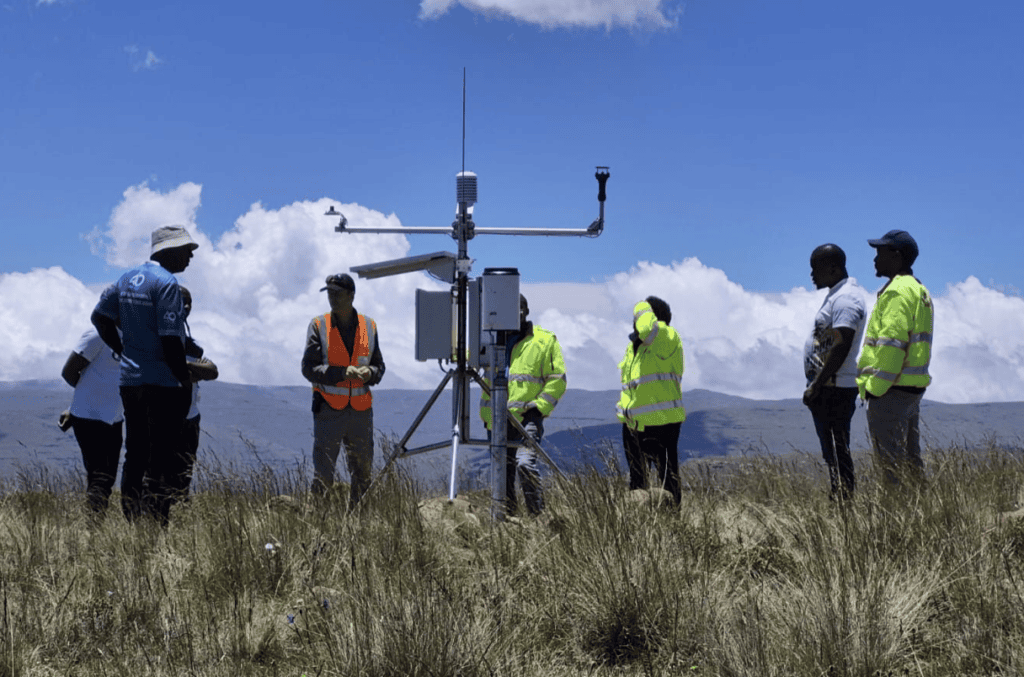
Spotlight on the African Mountain Research Foundation: Monitoring the Mountains that Shape a Continent
High up in the mountains of southern Africa — in Zimbabwe, Malawi, South Africa, and Lesotho — a quiet network of weather stations is generating data that could help predict the next drought, the next flood, the next climate shock for millions of people living in the valleys below. That network belongs to SWIDN Member…
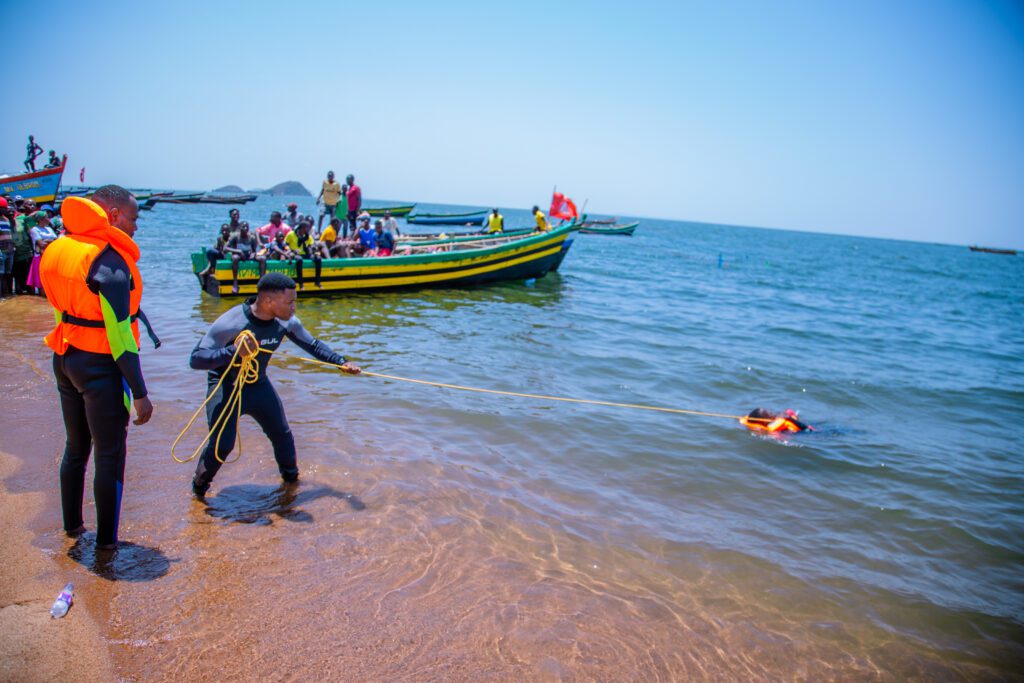
Beyond the Lifeboat: How the RNLI is Tackling Drowning in Tanzania, and the Programme Management That Makes It Work
Rachel Roland has spent more than 35 years working in Global Justice — and if there’s one thread that runs through all of it, it’s a deep commitment to understanding communities on their own terms. Now a Senior International Programme Manager at the RNLI, Rachel is leading the organisation’s drowning prevention work in Tanzania, bringing…
Changing the Story: How The Advocacy Team Is Reconnecting the Public with Global Justice
Lorriann Robinson is the founder and lead of The Advocacy Team, a consultancy helping organisations navigate political influence, shape policy, and reimagine how the case for global justice is made. We spoke with her about her work, the projects keeping her team busy, and why she believes the sector’s most difficult moment might also be…