11 May 2023
What our Schools Teach us About Africa and Why it Matters
How much of your childhood education can you remember? Perhaps you remember specific skills you learnt, like when you’re faced with a particular sum or a tricky word to spell. Or perhaps you remember chunks of knowledge about wider topics, like Henry III or the science behind osmosis?
Depending on where in the world we went to school, we’ll all have had a different range of topics taught to us. Whatever our learning journey has included since then, the ideas we are taught in our more formative years can be hard to shift. In March, the APPG for Africa published a report that called for an overhaul of how Africa is studied in Britain. It particularly called for Africa to be included in GCSE and A Level History and Geography with coverage that goes beyond development, disaster, slavery and colonialism.
Dr Cynthia Kamwengo teaches African Development Studies at the University of Bath, once of SWIDN’s academic members. Over the last year, many of her students told her that they’d never learnt about Africa before coming to university. Much of the APPG report findings are reflected in Dr Kamwengo’s experiences talking to her students. When asking what other sources of information helped to form their knowledge about Africa, she was told it was mainly charity appeals and news stories. There was either no content, or the information available contributed to theorising Africa as an exotic monoculture overwhelmed by poverty, conflict, disease and natural disasters and in need of Western intervention.
Dr Cynthia Kamwengo will be sharing about her research at this week’s joint Good Development and Researchers Working Group on Wednesday 18th May 1-2pm online. She’ll briefly introduce her research to rethink and reimagine the teaching of African Development Studies in UK higher education and invite us to consider our own knowledge formation of Africa and how this might influence our approach to development today.
This session will be particularly relevant for those of us involved in development work in Africa. SWIDN will also be sharing an ’Unlearning Reading List’ of African Literature. If you are unable to attend, you can find it in our Members Resources section here.
SWIDN Working Groups are free and open to all our members and their partners, as well as organisations participating in the Accelerator Scheme. If you’d like to find out about joining SWIDN as a members, click here.
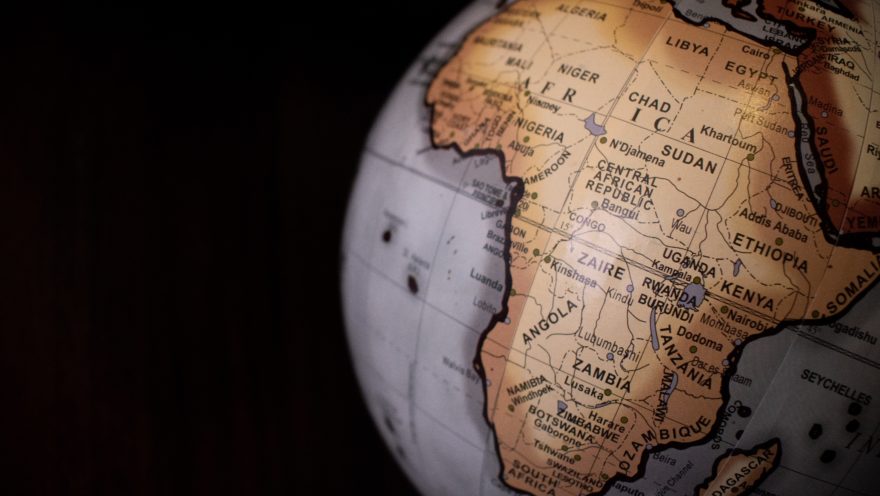
Image courtesy of James Wiseman via Unsplash (thank you). Chosen with intention.
Originally posted on May 13th 2022
More News
Spotlight on the African Mountain Research Foundation: Monitoring the Mountains that Shape a Continent
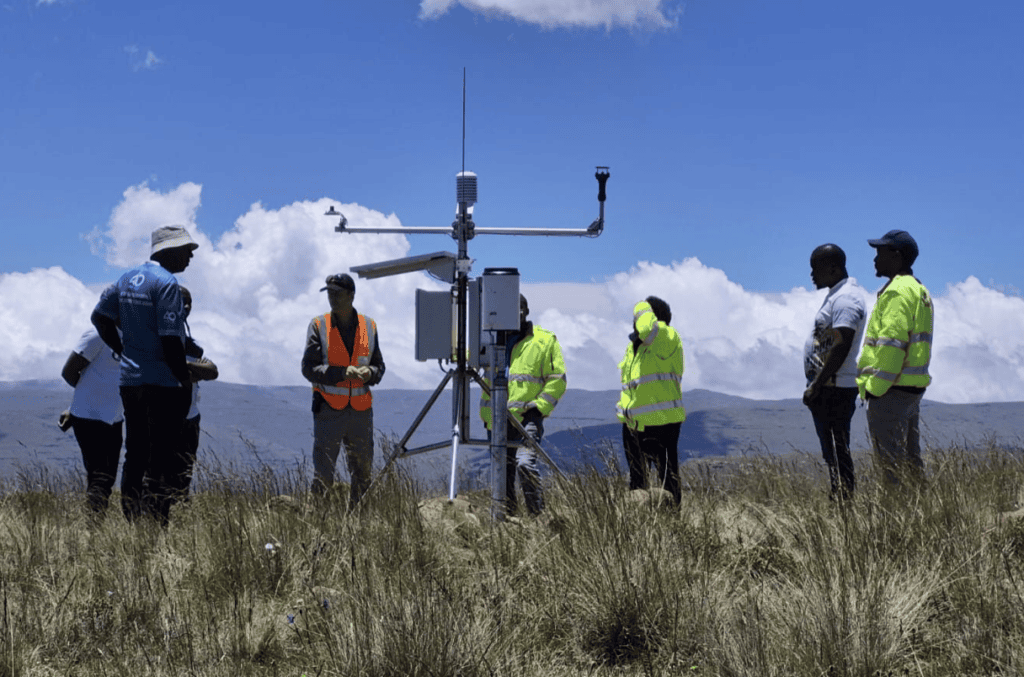
High up in the mountains of southern Africa — in Zimbabwe, Malawi, South Africa, and Lesotho — a quiet network of weather stations is generating data that could help predict the next drought, the next flood, the next climate shock for millions of people living in the valleys below. That network belongs to SWIDN Member…
Beyond the Lifeboat: How the RNLI is Tackling Drowning in Tanzania, and the Programme Management That Makes It Work
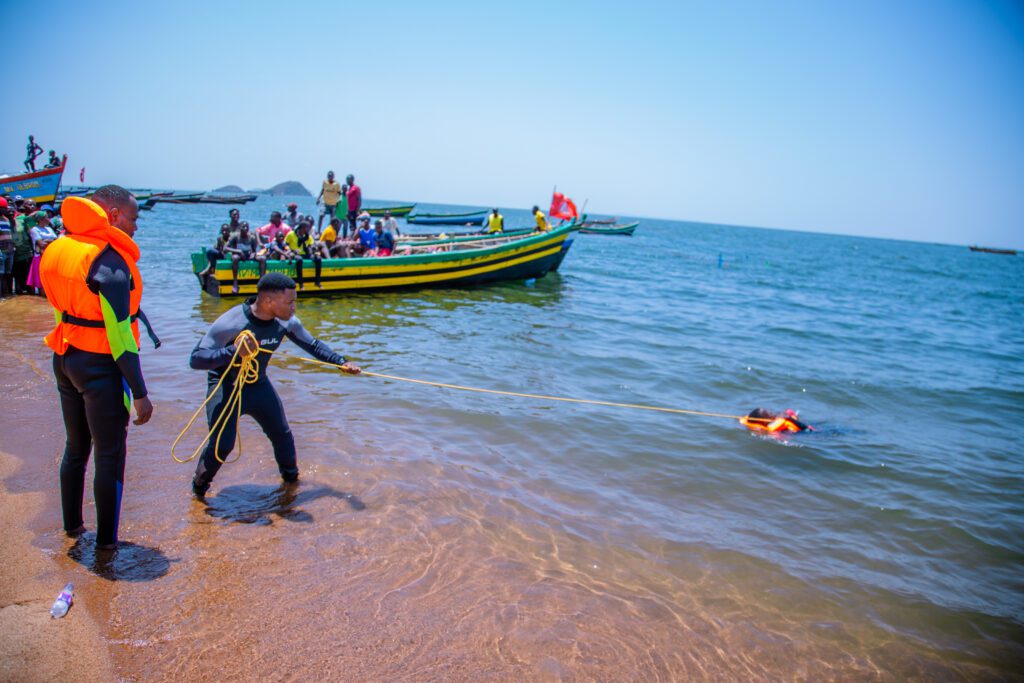
Rachel Roland has spent more than 35 years working in Global Justice — and if there’s one thread that runs through all of it, it’s a deep commitment to understanding communities on their own terms. Now a Senior International Programme Manager at the RNLI, Rachel is leading the organisation’s drowning prevention work in Tanzania, bringing…
Changing the Story: How The Advocacy Team Is Reconnecting the Public with Global Justice
Lorriann Robinson is the founder and lead of The Advocacy Team, a consultancy helping organisations navigate political influence, shape policy, and reimagine how the case for global justice is made. We spoke with her about her work, the projects keeping her team busy, and why she believes the sector’s most difficult moment might also be…