26 February 2026
Spotlight on Dolen Cymru Lesotho: 40 Years of Global Solidarity Between Wales and Lesotho

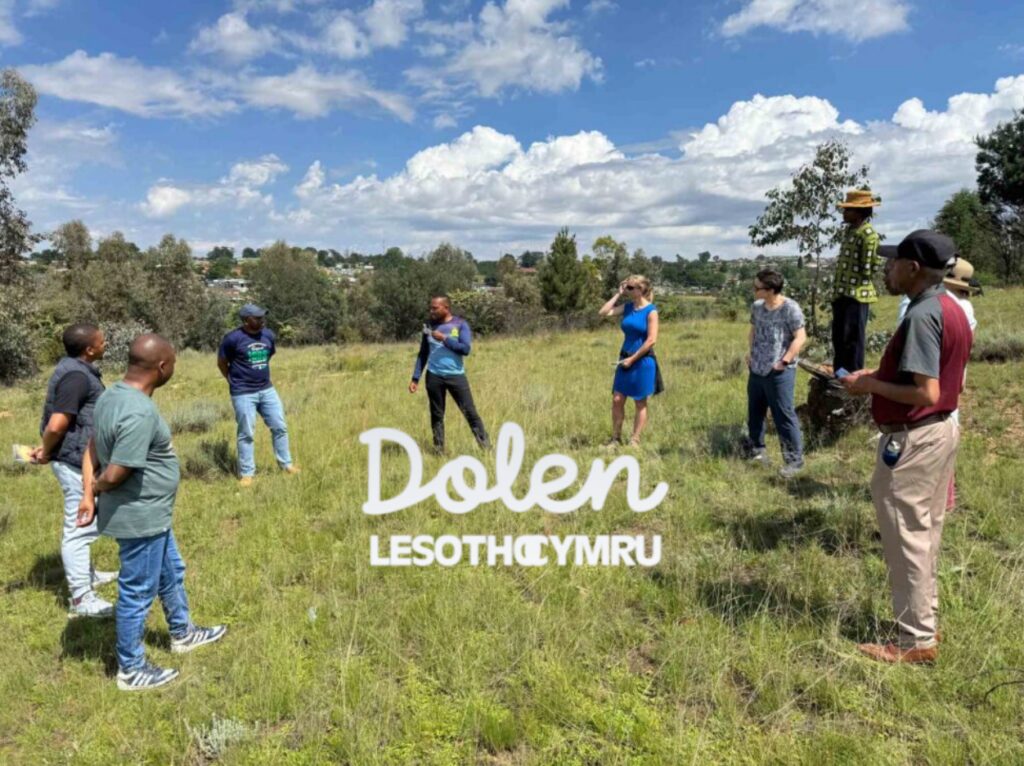
For more than four decades,SWIDN Member Dolen Cymru Lesotho has been quietly building something powerful: long-term, people-to-people connections between Wales and Lesotho.Founded over 40 years ago and now in its 41st year, the organisation isn’t a “traditional” international development charity. Instead, it focuses on bilateral learning – sharing skills, expertise, and experience between professionals in both countries, particularly in education and health.
Who Are Dolen Cymru?
Dolen Cymru is a Wales-based charity that acts as a bridge between communities in Wales and communities in Lesotho. Rather than “delivering” aid, they work through long-term partnerships, mutual learning, and shared projects.
Cath currently serves as Co-Executive Director, leading on finance and governance, alongside her colleague Sharon Flint Wood, who leads on programmes. Like many organisations in the sector, Dolen Cymru Lesotho is currently downsizing and navigating difficult staffing and funding decisions – reflective of wider pressures facing charities in Wales and beyond.
Despite this, the core of their work remains the same: building and nurturing relationships that allow people in both countries to learn from each other.
A “Squiggly” Path Into Global Solidarity
Cath didn’t take a straight road into this work.
Her background is in theatre, with a degree in the subject, before moving to the South Pacific. Her early experience in community and forum theatre, which is rooted in storytelling and social issues, eventually led her into the international and charity sectors.
After a UNDP-funded water management project in the Pacific, she studied Integrated Water Resources Management before moving into environmental and global solidarity organisations in Wales. Dolen and the link to Lesotho first entered her life through a previous role with a Wales–Uganda charity partnering with Dolen. Over time, those links deepened – and eventually led to her current leadership role.
“I don’t think I’ve had a particularly conventional career path,” she reflects. “It’s quite squiggly.”
That “squiggly” journey mirrors the global justice sector itself: nonlinear, relational, and shaped by people, places, and partnerships.
Facing Up to the Sector’s Biggest Challenges
When asked about the biggest challenges facing the sector, Cath states:
“Racism. We want to increase equity and equality in the world, but the historic foundations of the sector mean there are systemic issues of racism at all levels. We have to be frank about that, and as a sector, address it. If we’re not open to challenging that in ourselves and in our organisations, then what are we doing?”
For Dolen, addressing this means a deliberate shift:
- Moving from “helping” or “saving” towards partnership and solidarity
- Examining leadership, from the organisation’s structure, to programme design, and shifting who holds decision-making power
- Rethinking how they talk about Africa, and Africans, avoiding stereotyping narratives and ensuring respect in the images they use
- Committing to being an actively anti-racist organisation – understanding they have a long way to go and that it’s an ongoing process
Alongside this, the charity faces the familiar pressures of the sector:
- Funding uncertainty
- A shifting political landscape, with upcoming elections in Wales likely to affect the global solidarity space
- Public narratives of “charity begins at home” that challenge global work rooted in connection
These twin pressures – confronting racism and navigating financial precarity, shape much of Dolen’s work.
Literacy in Lesotho: A Long-Term Legacy
One of Dolen’s flagship programmes is a long-term literacy initiative in Lesotho, developed with the Government of Lesotho’s Ministry of Education and Training.
Over many years, the organisation has supported the rollout of Jolly Phonics across the country. Recently, with Basotho trainers, they have:
- Trained every Grade 1 teacher in Lesotho (final numbers to be confirmed)
- Supported a network of literacy champions and trainers
- Worked closely with government partners to embed literacy improvement system-wide
A huge part of this legacy is down to Sharon, who has been instrumental in designing, fundraising, and championing the literacy work from day one.
“Sharon has really brought together an amazing team in Lesotho who will carry on the work, even after she leaves,” says Cath. “We’re really proud of her legacy.”
This is classic Dolen: not quick wins, but slow, systemic change built on trust and partnership.
Celebrating 27 Years of Community Connection
Another strand of their work focuses on heritage, identity and connection.
With support from the National Lottery Heritage Fund, Dolen is documenting and celebrating the 27-year link between St Davids and Matsieng.
The project involves:
- Collecting oral histories from people involved over nearly three decades
- Gathering artefacts and stories showcasing how these connections shape lives
- Exploring how the relationship has influenced identity and outlook in both places
For Dolen, this is also about remembering what it means to be Welsh:
“We want people in Wales to see their heritage as part of a global story,” says Cath. “To understand that our identity and culture can include being outward-looking, in solidarity with communities across the world.”
Volunteers at the Heart of It All
A network of volunteers in both Wales and Lesotho underpins everything Dolen does.
“I do think volunteering is good for your soul,” Cath says. “I’m always so impressed by how talented and dedicated our volunteers are — in Lesotho and in Wales. As a charity, we’re just so grateful that people give up their time in this way.”
These volunteers keep links between Wales and Lesotho alive beyond individual projects or funding cycles.
Partnership Over Pity
Across all their work, Dolen resists pity-based narratives.
They prioritise:
- Dignity and agency
- Highlighting expertise and innovation in Lesotho
- Framing relationships as mutual and bilateral
“If you portray African countries as hopeless, you undermine their success,” Cath explains. “You also discourage fair investment and partnership. We want to show the reality: these are places of innovation, growth and possibility.”
How You Can Support Dolen Cymru
When asked what she’d shout from the rooftops, Cath suggests two messages:
- “We’re always keen to work in partnership.”
If you:- Work in or with Lesotho, or
- Are based in Wales or elsewhere in the UK and interested in equitable links …Dolen would love to connect.
- Funding matters.
As a small charity in a challenging landscape, donations and funding help sustain their literacy, health, heritage, and partnership work. Get in touch if you can help us raise vital funds.
If you’re interested in partnering with Dolen Cymru, exploring work in or with Lesotho, or supporting their programmes, visit their website and get in touch swyddfa@dolencymru.org . Their work shows what’s possible when we move beyond “helping” towards shared learning, mutual respect, and genuine global solidarity.
More News

Meet Ruby Chen: Turning Ideas Into Engaging Art
At SWIDN, we are incredibly grateful to the people who share their time and creative skills to support our work. We’d like to take a moment to thank Ruby Chen, who volunteered her illustration skills to support SWIDN. Ruby brought curiosity, creativity and professionalism to her work with us, and we’re thankful for the time…
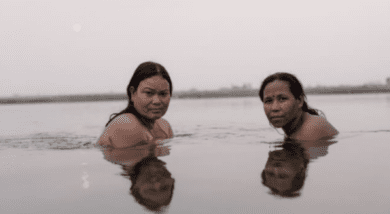
Powerful photography exhibition spotlighting women land defenders comes to Exeter for International Women’s Day
SWIDN are pleased to share this piece provided by and written by ActionAid A striking photography exhibition organised by ActionAid UK which spotlights women aroundthe world who are defending their land and their communities from destruction is coming toExeter this International Women’s Day. Women By Women: Rooted in Resilience depicts women leaders in Brazil, Cambodia,Nepal…

The SWIDN Network’s views on the Future of UK Aid
In the autumn, SWIDN gathered input from our members and submitted this to the UK Parliament’s International Development Committee’s inquiry into the Future of UK Aid. We said we would publish our submission when we were able to and, now that it’s available on the IDC website for public view, we can do so here.…