15 July 2026
Changing the Story: How The Advocacy Team Is Reconnecting the Public with Global Justice

Lorriann Robinson is the founder and lead of The Advocacy Team, a consultancy helping organisations navigate political influence, shape policy, and reimagine how the case for global justice is made. We spoke with her about her work, the projects keeping her team busy, and why she believes the sector’s most difficult moment might also be its most transformative.
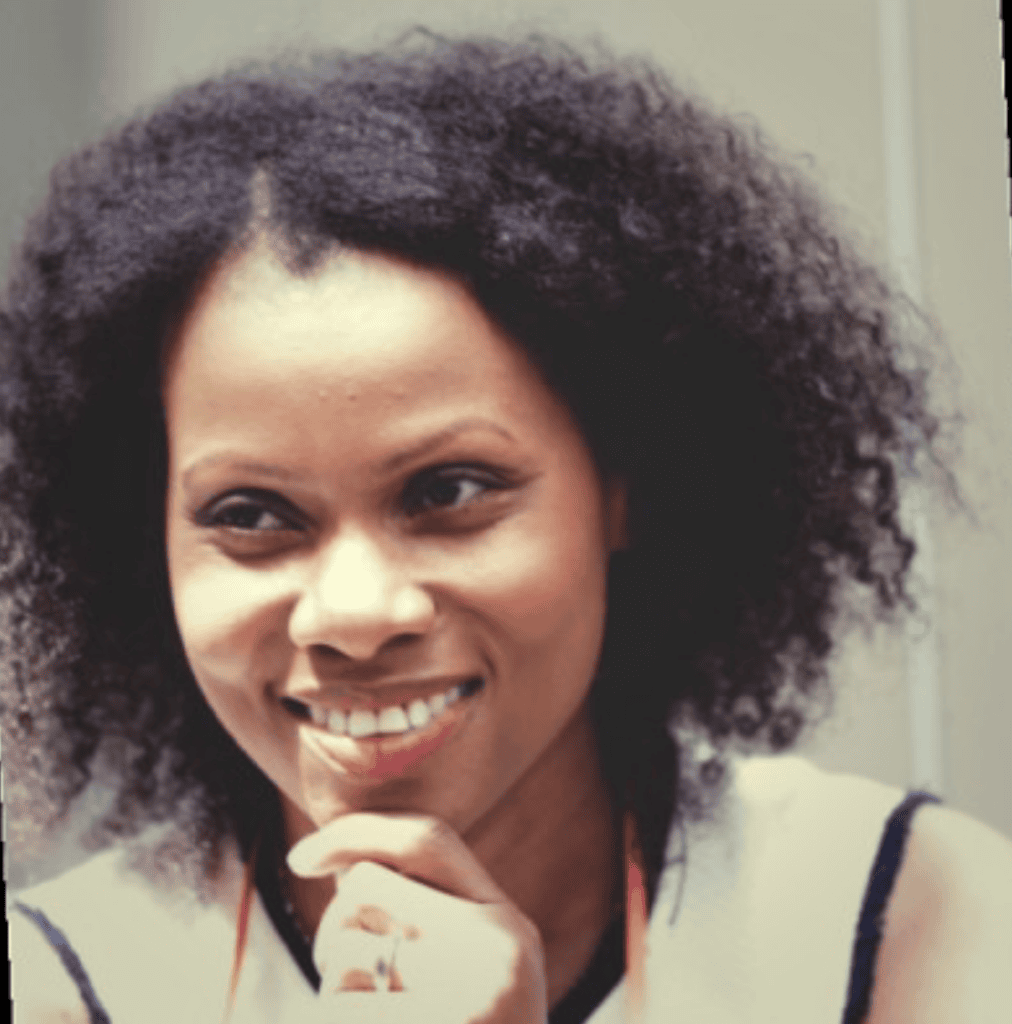
Who is Lorriann Robinson, and what is The Advocacy Team?
Lorriann’s path into advocacy was neither straight nor planned – but looking back, every step makes sense. She studied politics with an eye on political journalism, before a role at the Fabian Society, the Westminster-based think tank affiliated with the Labour Party, gave her a real-world education in how influence actually works.
“It was a real education in how politics works, how Westminster works – the role of think tanks, lobbying organisations, of influencing,” she says. “It was really crucial.”
From there she spent five years in children’s rights policy – first at Barnardo’s, then at the NSPCC – where, by her own admission, she was given remarkable responsibility at a very young age. “I was responsible for representing the NSPCC’s position on family policy. That sounds crazy because I must have been 23 at the time.”
It was through that work – consulting young people in care about what they wanted to see in legislation, attending UN hearings in Geneva – that she made her way into the international development sector. A role at World Vision UK followed, working on issues including early marriage, child labour, and FGM, and then a pivotal move to the ONE Campaign, co-founded by Bono, where she describes finding herself feeling like she’d “walked into an ad agency.”
“They really had a business-focused way of operating. A goal in our team’s plan would be: persuade the UK government to commit £1.2 billion to childhood vaccination programmes. That was my focus for the year.”
She left describing it as her MBA in advocacy. When she became a mother of twins and the daily London commute stopped making sense, rather than step back from the work, she built something new. In 2018, The Advocacy Team was born – always intended as a team, never just a freelance venture.
What Does The Advocacy Team Do?
The work falls across three interconnected areas.
The first is answering difficult questions. Clients commission the team to research and respond to complex, often politically sensitive challenges — how do you finance reparations for slavery in practical terms? How do you build political momentum around early childhood education, clean air, or global homelessness? The team goes away, does the research, and comes back with answers.
The second is political influence — helping organisations shape legislation, set up All-Party Parliamentary Groups, develop manifestos for political leaders ahead of elections, or work out how best to use moments like COP, the G7, or G20 to advance their agenda.
The third is perhaps the most ambitious: reconnecting the public and cultural figures with the mission of international development itself.
“We recognise that support for what is broadly termed international development is in a difficult moment,” Lorriann explains. “But we really believe that if you reform not just how you tell the story, but how you organise and set the whole thing up, you actually could have that support.”
Projects in Practice: Voices End and Beyond
One example of this third strand in action is Voices End, a pro bono initiative the team created to spotlight people making a big impact in their communities to tackle hunger — both in the UK and around the world.
The project had its own distinctive brand identity, its own awards ceremony, and a deliberate strategy of meeting people where they are. Nominees and winners came from community projects like a Brixton soup kitchen, and from further afield — including Itofa Ivarah
, who runs My 9ja Food Bank. Cultural figures including South London rapper Fekky and other artists added their voices and drew press attention.
“What we’re trying to do is meet people where they’re at, connect them with issues they’re already thinking about in their day-to-day lives, and in a subtle way show the connection between international development and solidarity,” Lorriann says.
She’s also co-host of the podcast Take or Give, made alongside friend and co-host Alex Martins, which aims to challenge and correct common misconceptions about how international development actually works. “The entire aim is to explain to the public why so much of what they think and know about international development is wrong. We really try to break it down and bring people in.”
The State of the Sector: Honest About the Challenges
When asked about the trends within the sector – the strengths and the challenges, Lorriann responds;
“We’re in a really hard period,” she says plainly. “The sector as we know it today is really dismantling. And that’s causing a lot of friction, a lot of challenge – and we can’t yet see what’s coming at the other end.”
Funding from OECD governments – the UK, US, France, Germany – has been cut significantly, with real consequences for programmes, medicines, vaccinations, and education. The question of what fills the gap is live and unresolved. Private sector capital? Philanthropy? New mechanisms entirely?
“If money is still concentrated among rich, powerful people in the north, are you always stuck in the same loop?” she asks.
But she’s also clear about where she sees genuine cause for hope. The shift toward localisation – toward leadership from the Global South – feels real to her. The shift the power movement, energised in the wake of George Floyd’s murder and the Black Lives Matter movement, has left a lasting mark even where its momentum has faded.
“I go into very few meetings now where people aren’t thinking from the very beginning: who should be the right person, who’s the right organisation to take this forward? That is a shift.”
She sees the current disruption not just as loss, but as an opening. “I think it provides an opportunity for something that is more just and more effective, to emerge.”
Find Out More About The Advocacy Team & Lorriann Robinson
Find out more about The Advocacy Team and listen to the Take podcast at [theadvocacyteam.co.uk]. You can also explore the Voices End initiative and its awards through their website.
More News
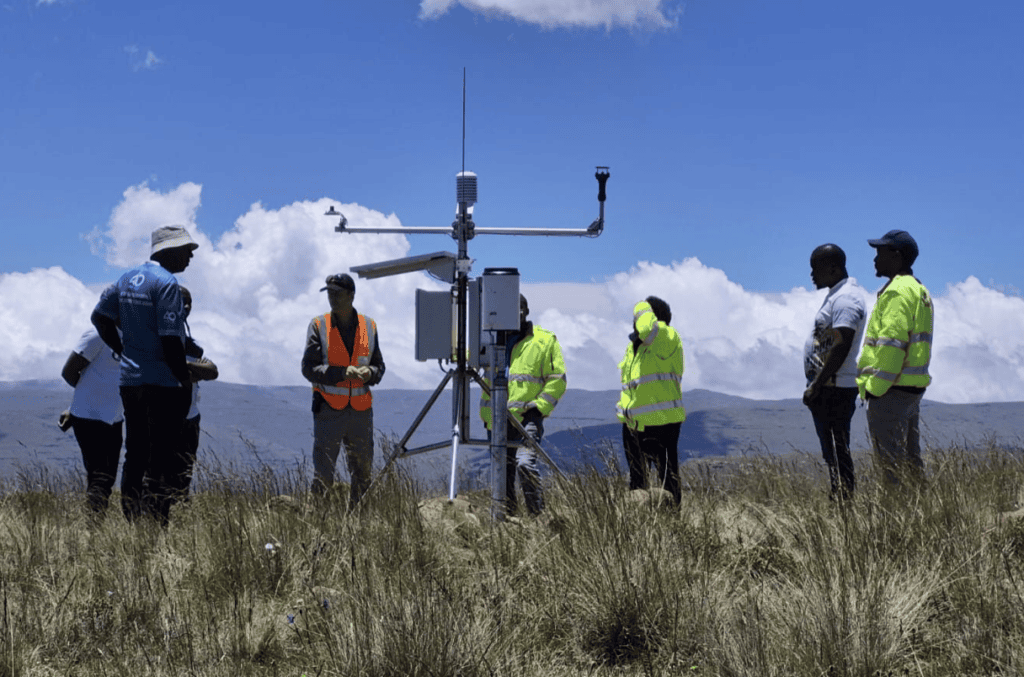
Spotlight on the African Mountain Research Foundation: Monitoring the Mountains that Shape a Continent
High up in the mountains of southern Africa — in Zimbabwe, Malawi, South Africa, and Lesotho — a quiet network of weather stations is generating data that could help predict the next drought, the next flood, the next climate shock for millions of people living in the valleys below. That network belongs to SWIDN Member…
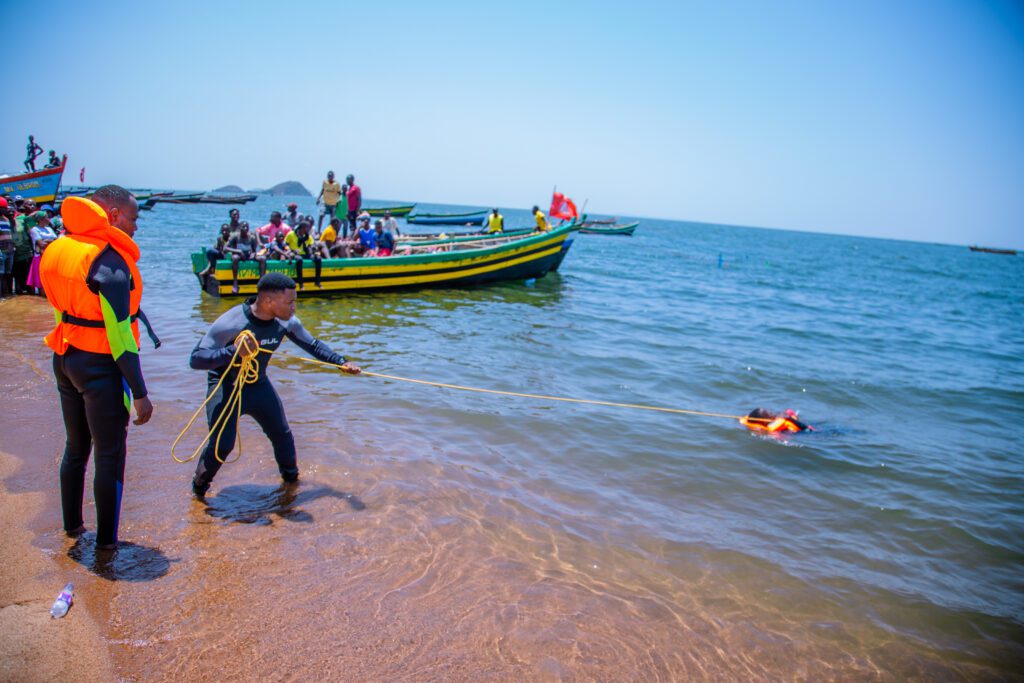
Beyond the Lifeboat: How the RNLI is Tackling Drowning in Tanzania, and the Programme Management That Makes It Work
Rachel Roland has spent more than 35 years working in Global Justice — and if there’s one thread that runs through all of it, it’s a deep commitment to understanding communities on their own terms. Now a Senior International Programme Manager at the RNLI, Rachel is leading the organisation’s drowning prevention work in Tanzania, bringing…
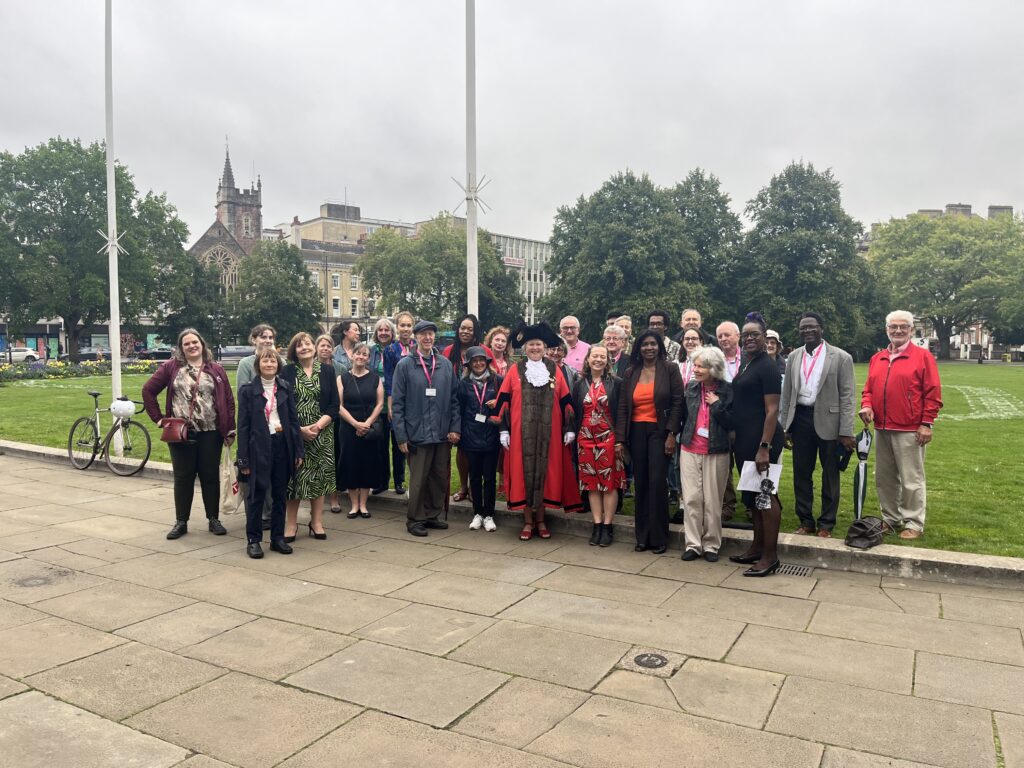
Building Solidarity from Bristol to Mozambique: A conversation with Bristol Link with Beira
Bristol Link with Beira has deep roots in social justice. Born from Bristol’s anti-apartheid movement, the organisation began as an act of solidarity – and that spirit continues to shape its work today. We spoke with Caroline Pitt, Chair and Trustee, about the charity’s projects in Beira, Mozambique, the challenges of running an all-volunteer organisation,…