8 July 2026
Building Solidarity from Bristol to Mozambique: A conversation with Bristol Link with Beira

Bristol Link with Beira has deep roots in social justice. Born from Bristol’s anti-apartheid movement, the organisation began as an act of solidarity – and that spirit continues to shape its work today.
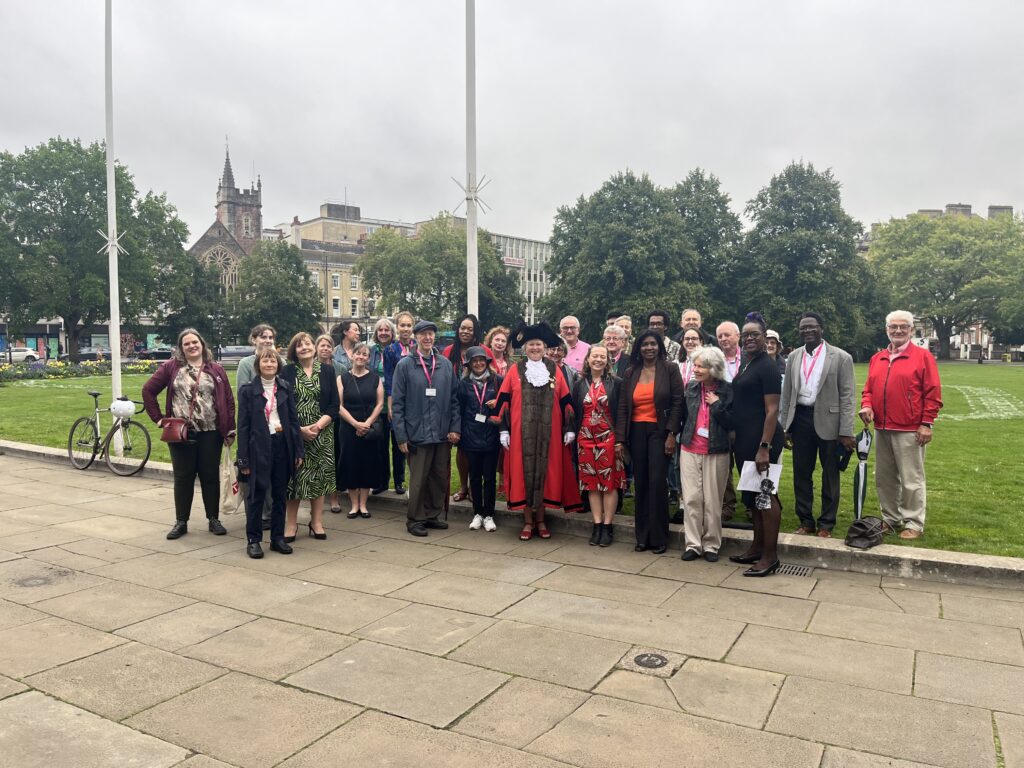
We spoke with Caroline Pitt, Chair and Trustee, about the charity’s projects in Beira, Mozambique, the challenges of running an all-volunteer organisation, and why climate justice and global citizenship remains central to everything they do.
From architecture to advocacy
Caroline’s path to Bristol Link with Beira draws on decades of experience. She spent ten years in Beira as an architect and urban planner, working with the city council and in private practice on government, education and health infrastructure including key worker housing . After returning to the UK in 2001, she continued in architectural practice, focusing on education buildings.
When Cyclone Idai devastated Beira in 2019, Caroline volunteered her project management skills to Bristol Link with Beira. “I started helping with governance, the website revamp, and then got more involved on the project side,” she explains. The charity works closely with a nonprofit partner in Beira who propose projects, which Bristol Link with Beira then seeks funding for in the UK.
Projects making a difference
Bristol Link with Beira is currently facilitating three main projects:
Empowerment of Young Women and Girls — Now in its fourth year, this programme trains teenage girls as mentors who then lead workshops on gender-based violence, sexual and reproductive health, human rights, and life skills in neighbourhood girls’ clubs. The participants have worked together to create podcasts and a music video discussing these topics.
Social Protection Through the Arts — Working with Beira’s cultural centre, this project selects vulnerable young people exposed to crime, domestic abuse, or early marriage and provides intensive dance training three times a week, plus a meal and informal sessions on health and personal development. Two participants have gone on to join the National Youth Dance — and this July, dancers in Beira will collaborate virtually with Rise Youth Dance in Bristol to create a joint performance piece.
Women Supporting Women Preschool — A longstanding partnership supporting a community-run preschool. Recent funding from a memorial collection for an original trustee is being used to upgrade staff facilities and finance preschool meals for nine months.
Future projects in the pipeline include building a rice mill for urban agriculture and participatory environmental education in schools — vital work in a city vulnerable to flooding where keeping drainage channels clear is essential during the rainy season and especially during the evermore frequent cyclones.
Bringing it home to Bristol
The twinning arrangement isn’t just about supporting Beira — it’s about raising awareness in Bristol too. The charity has developed a learning pack for primary schools on climate justice and global citizenship, and Redmaids’ School now has a direct link with a school in Beira.
“Our strategy is to get organisations in Bristol to link up with organisations in Beira,” Caroline explains. “We’ve got the youth dance collaboration and the school link — ideally we’re looking for more people who want to get involved with a similar organisation in Beira.”
A growing team and busy year ahead
After years of struggling to recruit trustees — “we were down to four just before Christmas” — the team has grown dramatically to ten or more. Some came through SWIDN’s trustee advert, others through Reach Volunteering. Around ten additional volunteers help with subtitling videos, writing social media posts, packaging project proposals, and organising fundraising events.
And there’s plenty happening in 2026: five-a-side football tournaments (women’s and men’s), participation in the Africa Eye Festival, and a stage at Bristol Harbour Festival as part of the Bristol International Twinning Association’s programme — with one act from each twin city performing.
The challenges
Running entirely on volunteers means managing workload carefully. “From my point of view as chair, it’s trying to manage people not to take too much on,” Caroline says. Having ten trustees instead of four makes a real difference.
The other major challenge is connection, although regular Zoom calls with our partners in Beira were established following the cyclone in 2019. Before then, exchange visits were common — teachers, local authority staff, and cultural groups travelled between the cities. “That’s financially out of the window now. And we wouldn’t be able to get visas for people to come to the UK.” The charity now relies on volunteers who happen to be travelling to Beira for other reasons.
One message from the rooftops
When asked what she’d shout from the rooftops, Caroline didn’t hesitate:
“Mozambique is one of the ten poorest countries in the world, and over half the population in Beira live in spontaneous housing without access to roads, water, drainage, or electricity — whilst being annually exposed to floods and cyclones. Climate change is caused by those in the north, while those in the developing world are those who most suffer from its impact.”
Get Involved
We want to thank Caroline for giving her time to talk with us. If you’d like to get involved with Bristol Link with Beira they are keen to connect with other organisations in the South West working in Mozambique. If that’s you, or if you’d like to explore linking your Bristol-based organisation with a partner in Beira, get in touch.
Find out more: bristollinkwithbeira.org
More News
Spotlight on the African Mountain Research Foundation: Monitoring the Mountains that Shape a Continent
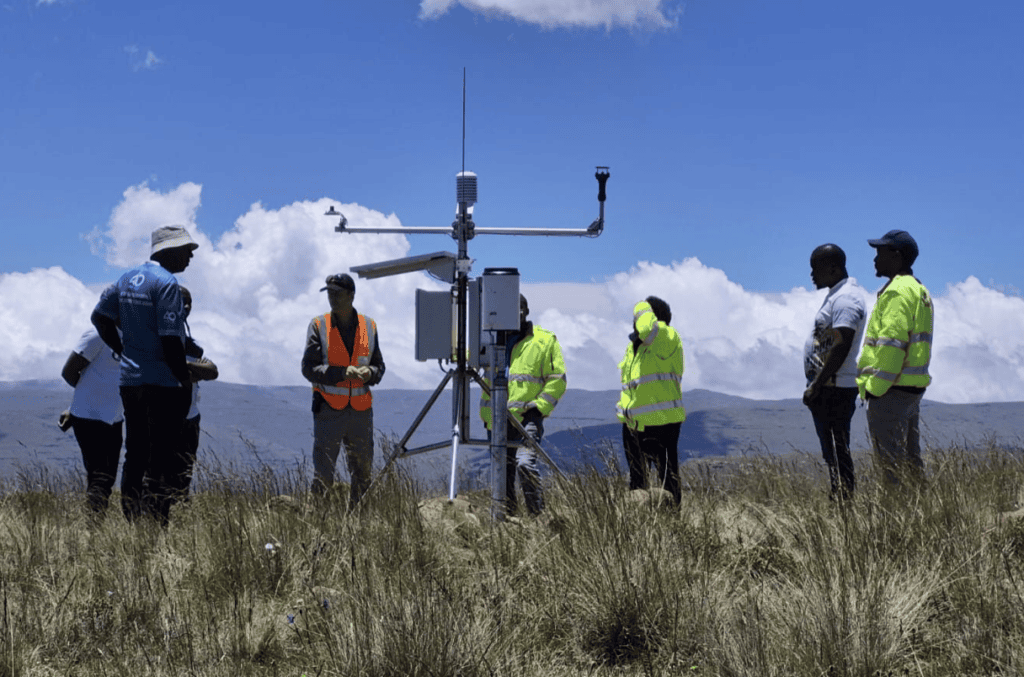
High up in the mountains of southern Africa — in Zimbabwe, Malawi, South Africa, and Lesotho — a quiet network of weather stations is generating data that could help predict the next drought, the next flood, the next climate shock for millions of people living in the valleys below. That network belongs to SWIDN Member…
Beyond the Lifeboat: How the RNLI is Tackling Drowning in Tanzania, and the Programme Management That Makes It Work
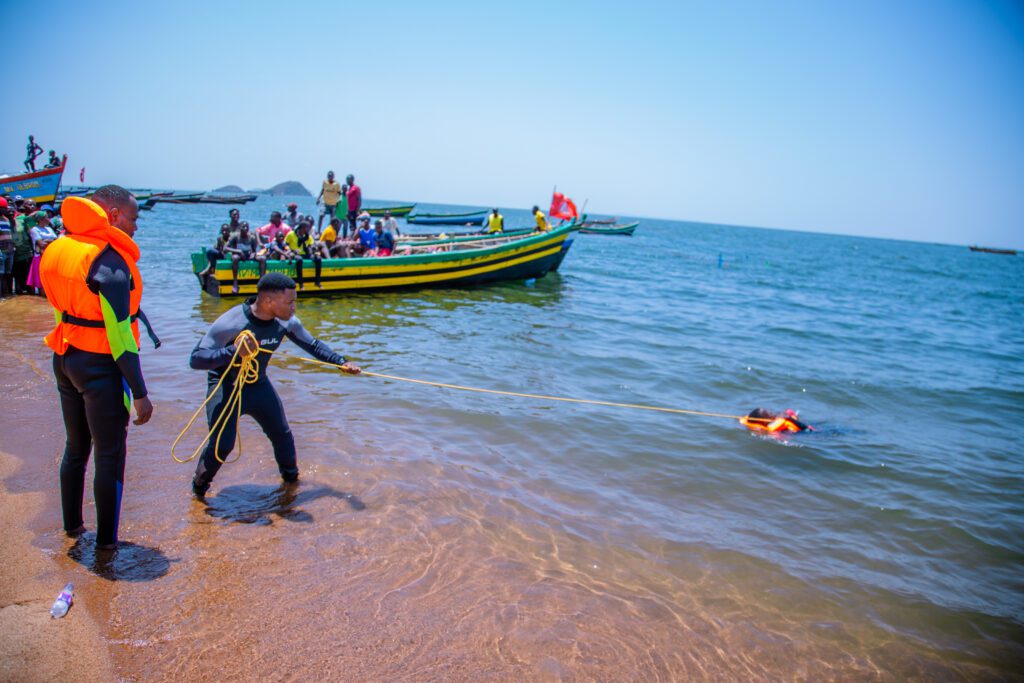
Rachel Roland has spent more than 35 years working in Global Justice — and if there’s one thread that runs through all of it, it’s a deep commitment to understanding communities on their own terms. Now a Senior International Programme Manager at the RNLI, Rachel is leading the organisation’s drowning prevention work in Tanzania, bringing…

Changing the Story: How The Advocacy Team Is Reconnecting the Public with Global Justice
Lorriann Robinson is the founder and lead of The Advocacy Team, a consultancy helping organisations navigate political influence, shape policy, and reimagine how the case for global justice is made. We spoke with her about her work, the projects keeping her team busy, and why she believes the sector’s most difficult moment might also be…