3 December 2025
Holding on to Connections (Letting go of 2025)

There is no doubt that 2025 has been an extremely difficult year for global solidarity. Whether it’s reflected in our monthly management accounts, the frustration of yet another funding rejection, or the evidence of growing inequality that reminds us why our work matters, we all recognise a difficult truth. As a community committed to global justice and equality, we know that the SWIDN network are facing growing levels of injustice and inequality, and only further dwindling resources to address it. The motivation to tackle global injustice has also felt increasingly fragile. For many of us, this has been especially devastating, not only to witness this at the global level in the cuts to USAID and UK Aid, but also in our own neighbourhoods. The growing number of flags in our public spaces that have been co-opted to deliver an anti-solidarity message feel as though the space for global justice is only shrinking. As 2025 comes to a close, it’s felt like challenging to hold onto a sense of hope.
One of the things I like to do in December is to look back at my inbox and see who I have chatted to, met for the first time, or reconnected with over the year. This, for me, feels especially important this year, to remind myself that the movement for global solidarity is still going strong, even if our shape is shifting. I know that I’ve felt most hopeful and inspired in these moments of connection: meeting researchers who are identifying what solidarity could look like beyond colonial frameworks; talking with peers about shifting practice toward antiracist action; engaging directly with the UK Government to explain that reduced funding does not advance decolonisation (because cuts inevitably fall hardest on already marginalised communities, and change stops when resources disappear). Most recently, I’ve begun connecting with local corporates who are exploring purpose-led business and interested in where this crosses over the South West’s global justice community. All these connections bring hope.
For SWIDN, building connections based on relationships and collaboration has always been at the core of what we do. We are always stronger when we work together, and that’s especially the case when we’re finding solutions to shared challenges. Moving into 2026, our work is as important as ever. We want to be an organisation living out our values in every area of our work, and for us that means investing in our relationships, building new connections, and collaborating in innovative and impactful ways with each year. We’re excited about that what will look like in 2026.
So our invitation to you in winding up 2025 is to also look for the connections. Who are the people who share the same challenges, who are working in your community, or who might be partners in finding a solution?
If you’d like to connect in person, we’re meeting at the Watershed in Bristol on Wednesday 10th December 5-7pm for informal festive drinks. Please let us know whether to expect you at info@swidn.org.uk. We’ve love to see you there.
If you’d like to connect one to one, you can use this link to book an informal online chat or email directly via hannah@swidn.org.uk
If you’d like to join a group call to hear more about SWIDN membership and connect with our wider team and community members, you can register here for a call on 22 January 2026.
If you’d like to share your feedback with us from 2025, you can complete this survey here. Thank you for taking the time to let us know how we’re doing and where we can improve.
Wishing you all a very Happy Christmas and Happy New Year from Team SWIDN.
More News
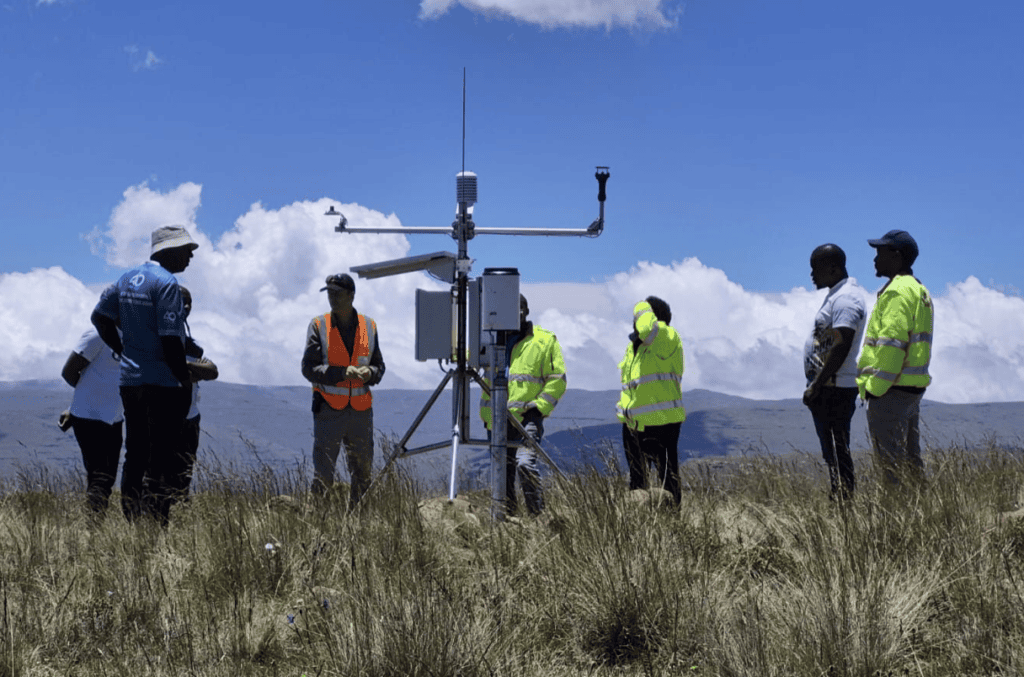
Spotlight on the African Mountain Research Foundation: Monitoring the Mountains that Shape a Continent
High up in the mountains of southern Africa — in Zimbabwe, Malawi, South Africa, and Lesotho — a quiet network of weather stations is generating data that could help predict the next drought, the next flood, the next climate shock for millions of people living in the valleys below. That network belongs to SWIDN Member…
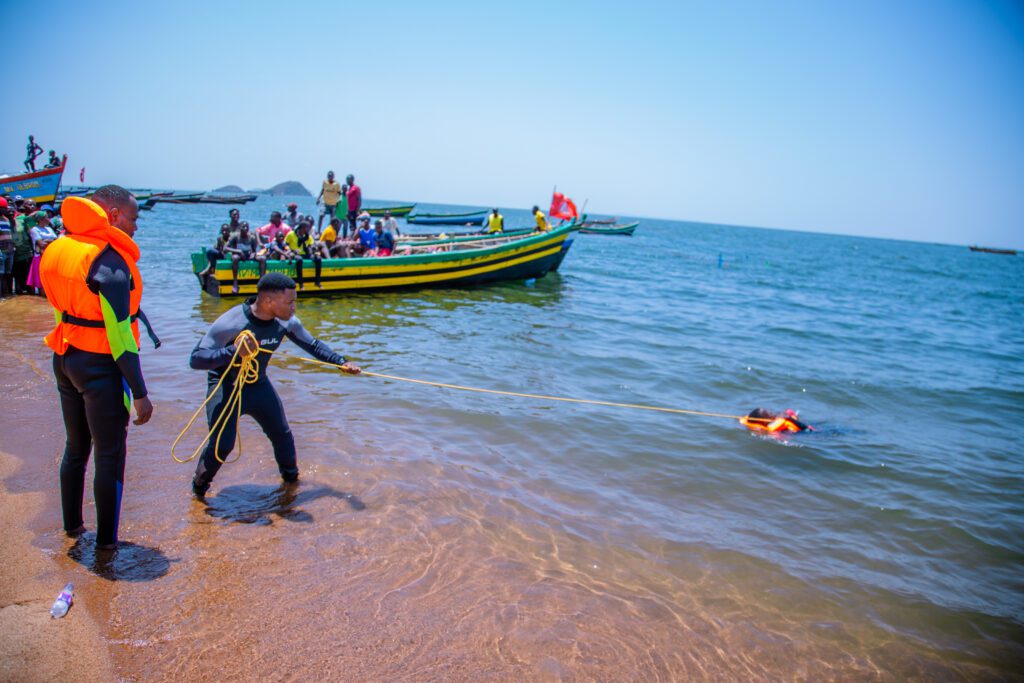
Beyond the Lifeboat: How the RNLI is Tackling Drowning in Tanzania, and the Programme Management That Makes It Work
Rachel Roland has spent more than 35 years working in Global Justice — and if there’s one thread that runs through all of it, it’s a deep commitment to understanding communities on their own terms. Now a Senior International Programme Manager at the RNLI, Rachel is leading the organisation’s drowning prevention work in Tanzania, bringing…
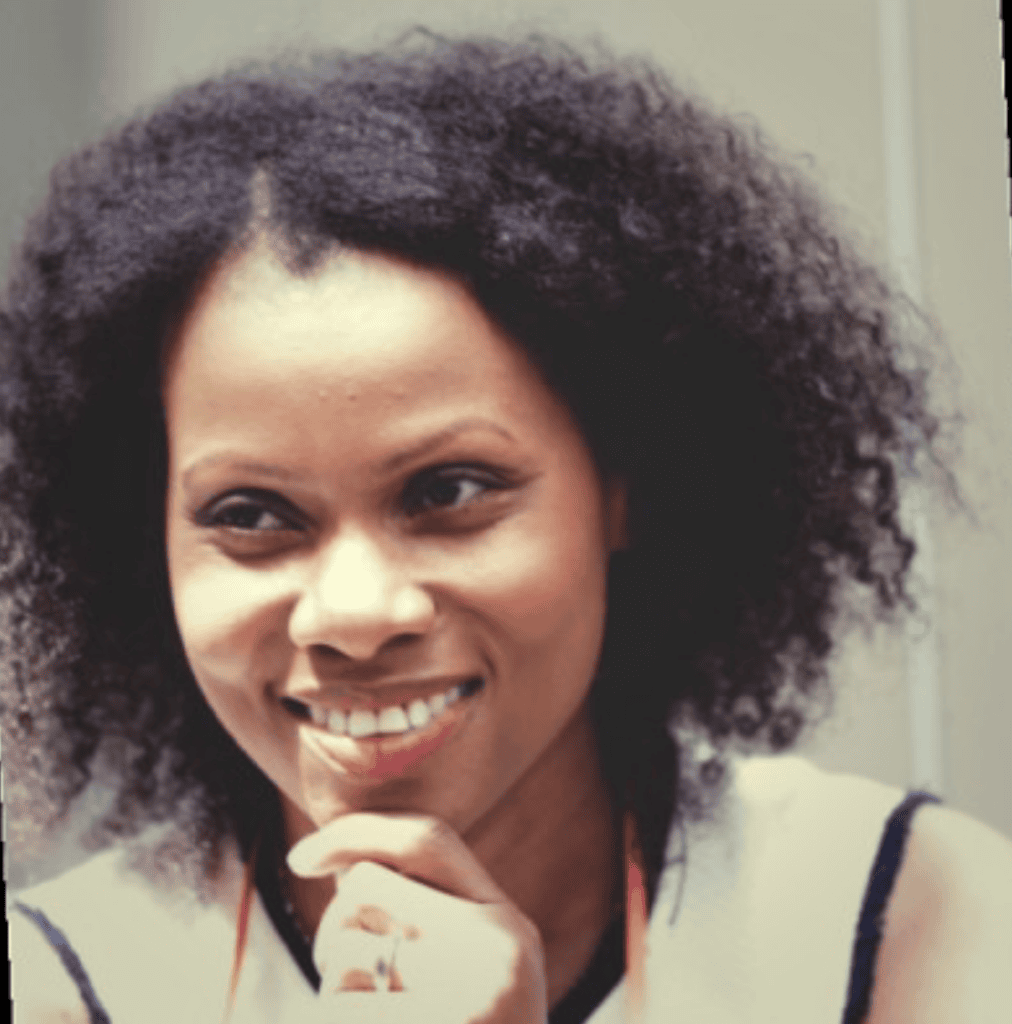
Changing the Story: How The Advocacy Team Is Reconnecting the Public with Global Justice
Lorriann Robinson is the founder and lead of The Advocacy Team, a consultancy helping organisations navigate political influence, shape policy, and reimagine how the case for global justice is made. We spoke with her about her work, the projects keeping her team busy, and why she believes the sector’s most difficult moment might also be…