Periods around the world: How can we deliver menstrual justice?
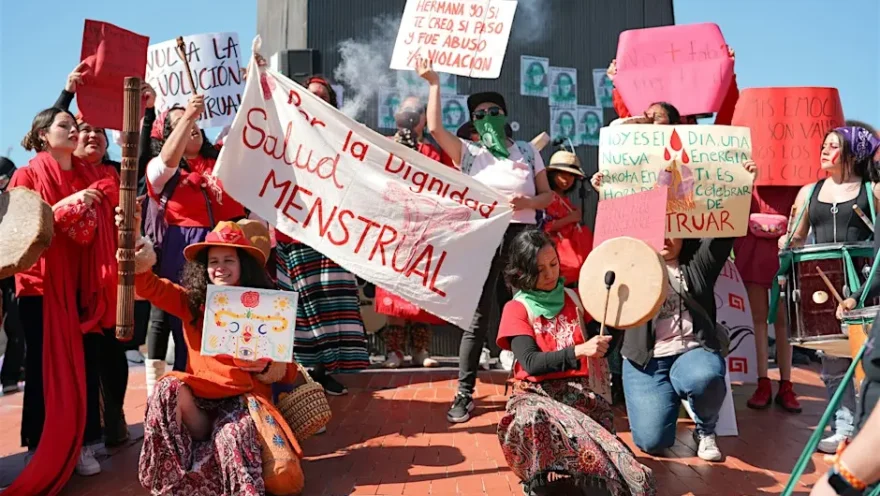
After hundreds of years of silence and stigma, menstruation is now a hot topic and old taboos are being challenged. Governments and other organisations around the world have been taking action, birthing programmes to end ‘period poverty’. Around the UK, it’s become commonplace to see baskets of period products in women’s toilets in workplaces, cafés, pubs and more. But millions of women, girls and trans people around the world still can’t access everything they need for their periods, and even more live with the stigma and discrimination still attached to menstruation.
How have civil society organisations stepped up to tackle period poverty in their communities? And what gets left out when we focus on period products? What else do we need to do to deliver menstrual justice worldwide? To mark the 50th Anniversary of the University of Bath’s Centre for Development Studies, our expert Minerva panel will tackle these questions and more.
The panel discussion will be one hour long, will include a free drink and some time at the end for informal chatting.
The panel includes:
Minakshi Dahal is a PhD researcher in the Department of Social and Policy Sciences at the University of Bath. Her research focuses on assessing psychosocial and mental health outcomes among adolescent girls during menstruation in Nepal, exploring the various pathways contributing to these outcomes. Her areas of interest include sexual and reproductive health, gender, and policy analysis, with a particular focus on low and middle income countries (LMICs).
Dr Fran Amery is Senior Lecturer in Politics at the University of Bath. Her research focuses on contemporary feminist politics and struggles for reproductive justice, as well as movements that resist gender and LGBTQ+ equality. She is particularly interested in the politics of menstruation and menstrual justice worldwide. Her current project looks at the actions governments and other bodies around the world have been taking to address menstrual injustices. It asks, what are governments (still) getting wrong about periods?
Danny Cox runs Period Friendly Places, a Bristol based charity aiming to create towns and cities where nobody experiences period poverty and there is dignity for all. After a career in financial planning, public relations, comms, reputation management Danny now focuses his time on family and using his skills, connections and experience to support the community. He is also a trustee of FareShare South West a Charity which helps tackle food waste and fight hunger.
The panel will be chaired by Aurelie Charles, an economist, social scientist and senior lecturer in global sustainability from the Centre for Development Studies at the University of Bath.
Location
The Mission Theatre, Bath, England
Start date & time
February 10th, 2026 at 18:00
End date & time
February 10th, 2026 at 19:00
More Events

SWIDN NGO Directors Working Group – December
Focus for December – Employment Law Updates, and a chance to ask any, and all, HR related questions you have. Conversation to be led by Sarah Buxton – Director and Founder of Buxton Coates Solicitors and Specialist Employment Solicitor. This informal working group takes place on the first Monday of each month and is a…

SWIDN Festive Social (Bristol)
The year is coming to a close, and what better way to celebrate than with good company, great conversation, and a bit of holiday cheer? 🎄✨ You’re invited to our Festive Networking Social — a relaxed evening to unwind, meet fellow professionals working in global solidarity, and make some new connections locally before we all…
SWIDN Festive Social (Exeter)
The year is coming to a close, and what better way to celebrate than with good company, great conversation, and a bit of holiday cheer? 🎄✨ You’re invited to our Festive Networking Social — a relaxed evening to unwind, meet fellow professionals working in global solidarity, and make some new connections locally before we all…