23 April 2026
“Stories Are the Key”: A Conversation with Writer, Poet and Equality, Diversity, and Inclusion Consultant Louisa Adjoa Parker

SWIDN associate, Louisa Adjoa Parker is a writer, poet, and equality, diversity and inclusion consultant based in the South West of England. We sat down with her to talk about her creative journey, the challenges facing artists today, and why storytelling might be the most powerful tool we have for building empathy.
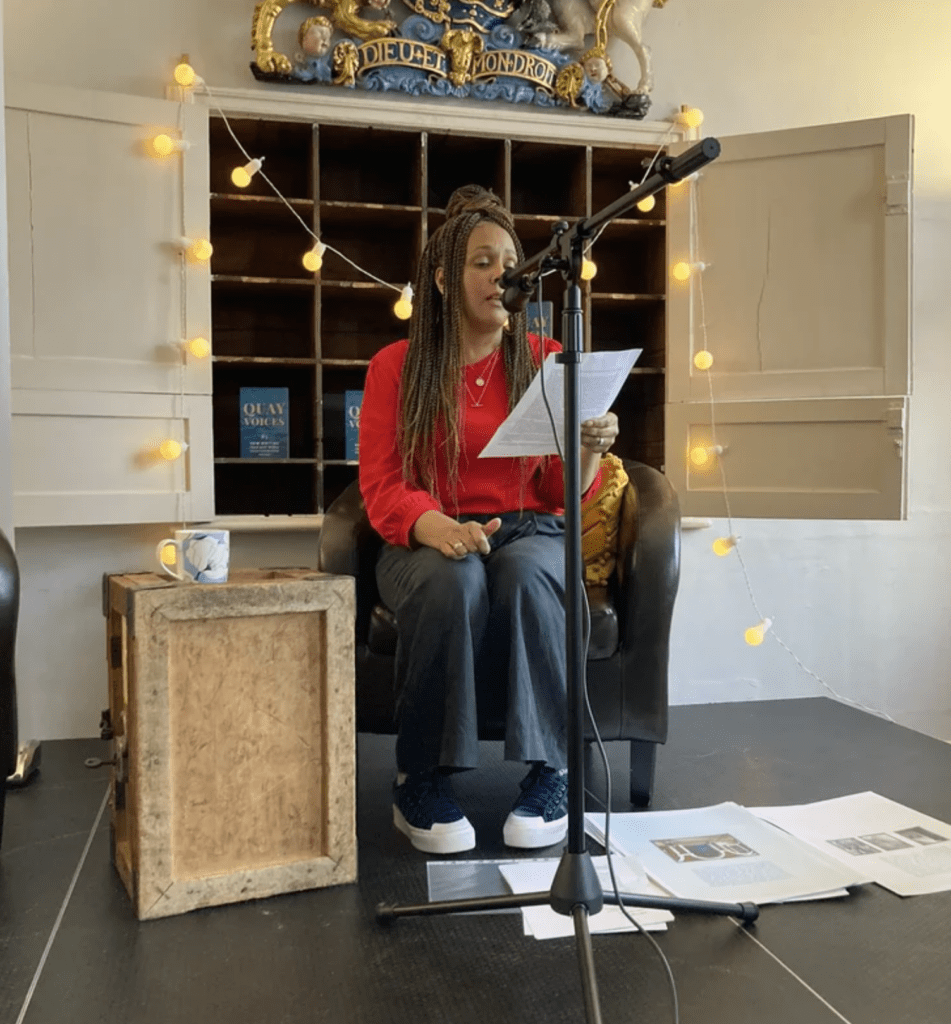
Finding Her Voice in a Monocultural Landscape
Louisa Adjoa Parker has called the South West home for 40 years, and it was the experience of living here as a mixed-heritage person that first drew her to writing.
“I began writing really as I wanted to explore my experience of being mixed heritage living in Devon,” she explains. “It was really tough. It was a very monocultural area and it just felt as though I wasn’t really able to express how I felt or the things I went through.”
What started as personal expression gradually expanded outward. Louisa began exploring the stories of others – researching ethnic diverse histories in the region and thinking about intersectionality more broadly: people from low-income families, people living with physical and mental health conditions, and anyone whose voice tends to go unheard in rural spaces.
A Nature Writer Who Almost Wasn’t
Ask Louisa what brings her the most joy and she doesn’t hesitate: nature writing.
“It’s kind of funny because I got pigeonholed as a nature writer,” she laughs. A commission through a programme called Nature Calling – which asked her, as a Dorset-based writer, to write about the land and its people – turned out to be something of a revelation. “It just gave me the confidence to think, well, I am a nature writer. All you need really is that love of nature and the want to explore your relationship with it creatively.”
Her most recent commission saw her writing a long poem about the River Bure in Norfolk, exploring what it means to see a river not as a backdrop but as a living being in its own right. “I started to see the river as a living being in itself and sort of personify it – write from the river’s perspective. That was quite interesting and quite challenging.”
Beyond her own writing, she finds deep fulfilment working with young people. “I love inspiring that creativity and seeing a young person who thinks they can’t write go on to write an amazing poem. Just seeing that confidence in them – that’s really incredible.”
The Harder Reality: Funding Cuts and Finding Work
Louisa is candid about the difficulties facing creative practitioners right now. For years, work came to her without much effort – commissions, pitches, collaborations arriving in her inbox regularly. That’s changed.
“The last two years have been incredibly challenging. There’s times when I don’t know if I’ve got an income.” She points to a combination of factors: the cost of living crisis pulling money away from culture and the arts, and a significant lack of support for EDI work that has dried up funding in that space too. Despite everything, she remains committed to her craft and to finding a way through.
Current Projects
When she can, Louisa keeps busy with a varied portfolio of work. She is currently finishing a project called Blossom, exploring ethnic diverse stories in the Purbeck area of Dorset, working with sixth-form students who are environmental leaders to run their own writing workshops on the beach. She is also teaching a course for the Poetry School focused on global majority heritage writers from rural spaces, and carrying out EDI training with museum staff and volunteers in the South West.
A memoir is also in progress – drawing on diaries she kept from her teenage years. “Those diaries are now being used as inspiration for my memoir, so they were quite useful in the end.”
Practical Advice on EDI for Organisations
For organisations wanting to invest more meaningfully in inclusion, Louisa has clear guidance: start with honesty, and resist the temptation to tick boxes.
“Rather than booking someone in to do generic training, I think it’s more helpful if the work is bespoke and tailored.” She advocates for a mini EDI audit as a starting point: assess where the gaps are, identify the challenges, and then work collaboratively with an external consultant to take the next steps.
Equally important is how organisations talk about their journey. “If I read a website that says ‘we’re on a journey, we might not always get it right.”’ – I think, yes, these sound like people I can approach. If you try to appear like you’re ticking boxes without really investing, that can cause more harm than good.”
She also stresses the importance of not over-relying on people with lived experience. “Be very mindful of not overexploiting people or assuming that somebody is going to be the token voice of a particular group just because they happen to belong to it. The work comes at quite a cost, especially for those with lived experience of any kind of oppression.”
The Power of Stories
When it comes to resources, Louisa’s recommendation is refreshingly simple: seek out stories.
“Storytelling is really powerful. Whether it’s memoir, fiction, podcasts – finding those real stories, or even fictional stories with real lived experience within them, helps us learn about other people and what their lives are like, even if we have no experience of that ourselves.”
She suggests that organisations build their own shared resource lists – inviting team members to contribute books, podcasts and articles that have moved or challenged them. “It doesn’t have to be formal. It can be as simple as listening to the experiences of what other people have had.”
One book she recommends is Undercurrent by Natasha Carthew, a memoir exploring what it means to be poor and gay in rural Cornwall. “I just thought, oh my goodness. It just highlights the reality and the lived experience of what this is like. If you’ve not experienced that, you’ve got no idea.”
On having empathy for others’ lived experience.
Our conversation often returned to nurturing empathy for others – and to the question of what happens when it goes missing. Louisa is thoughtful on the subject.
“Not everybody feels empathy. It’s not necessarily about blaming a person for not being able to feel it – but it’s about how we can encourage a culture of empathy. Even if you don’t feel it deeply, you can still learn. You can still pay attention. You can still ask: how would you like me to support you?”
She feels strongly that grief, in particular, is misunderstood and under-supported, especially in workplaces and that many workplace policies, particularly around compassionate leave – need to be revisited.
Thank you Louisa, for sharing your story.
How to Support Louisa’s Work
Louisa can be contacted through her websites: https://www.louisaadjoaparker.com/ and
https://www.theinclusionagency.co.uk
Her books are available to buy, and she is available to be commissioned for poetry, writing workshops, EDI training, and consultancy.
You can also find her EDI work via the Inclusion Agency website, where she collaborates with her colleague Louise Boston-Mammah.
More News
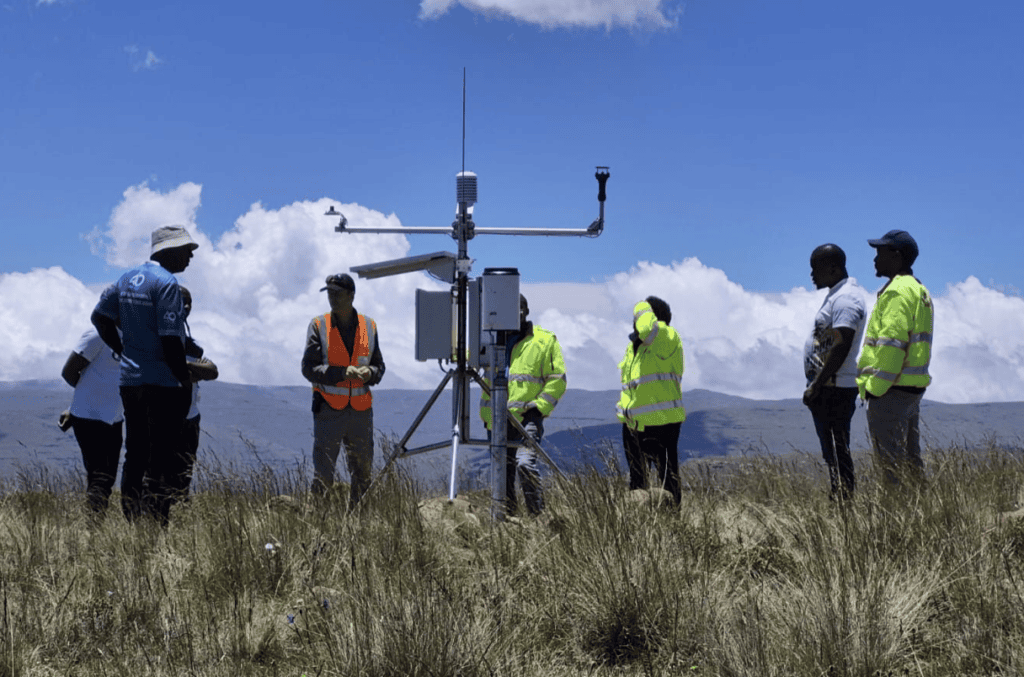
Spotlight on the African Mountain Research Foundation: Monitoring the Mountains that Shape a Continent
High up in the mountains of southern Africa — in Zimbabwe, Malawi, South Africa, and Lesotho — a quiet network of weather stations is generating data that could help predict the next drought, the next flood, the next climate shock for millions of people living in the valleys below. That network belongs to SWIDN Member…
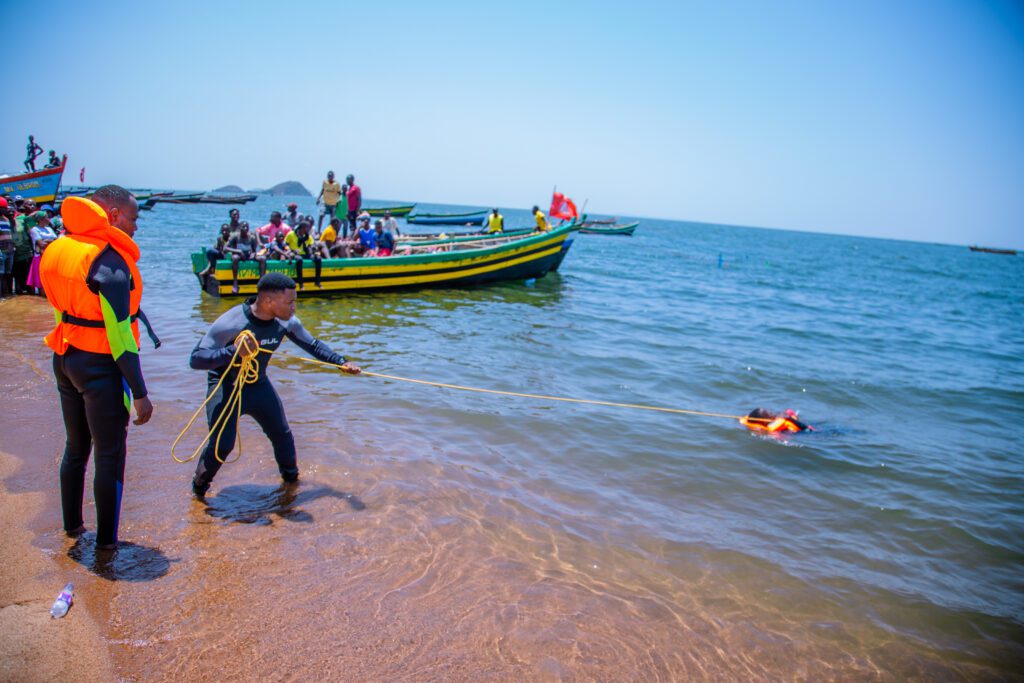
Beyond the Lifeboat: How the RNLI is Tackling Drowning in Tanzania, and the Programme Management That Makes It Work
Rachel Roland has spent more than 35 years working in Global Justice — and if there’s one thread that runs through all of it, it’s a deep commitment to understanding communities on their own terms. Now a Senior International Programme Manager at the RNLI, Rachel is leading the organisation’s drowning prevention work in Tanzania, bringing…

Changing the Story: How The Advocacy Team Is Reconnecting the Public with Global Justice
Lorriann Robinson is the founder and lead of The Advocacy Team, a consultancy helping organisations navigate political influence, shape policy, and reimagine how the case for global justice is made. We spoke with her about her work, the projects keeping her team busy, and why she believes the sector’s most difficult moment might also be…